
Hong Kong Park
Parks and reserves
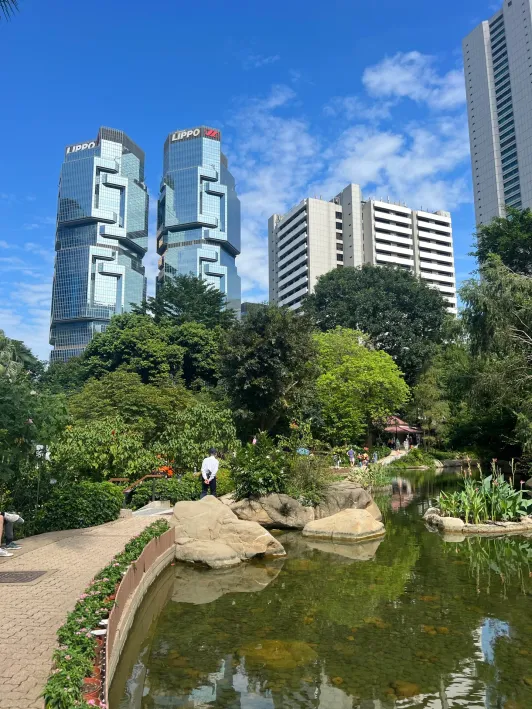
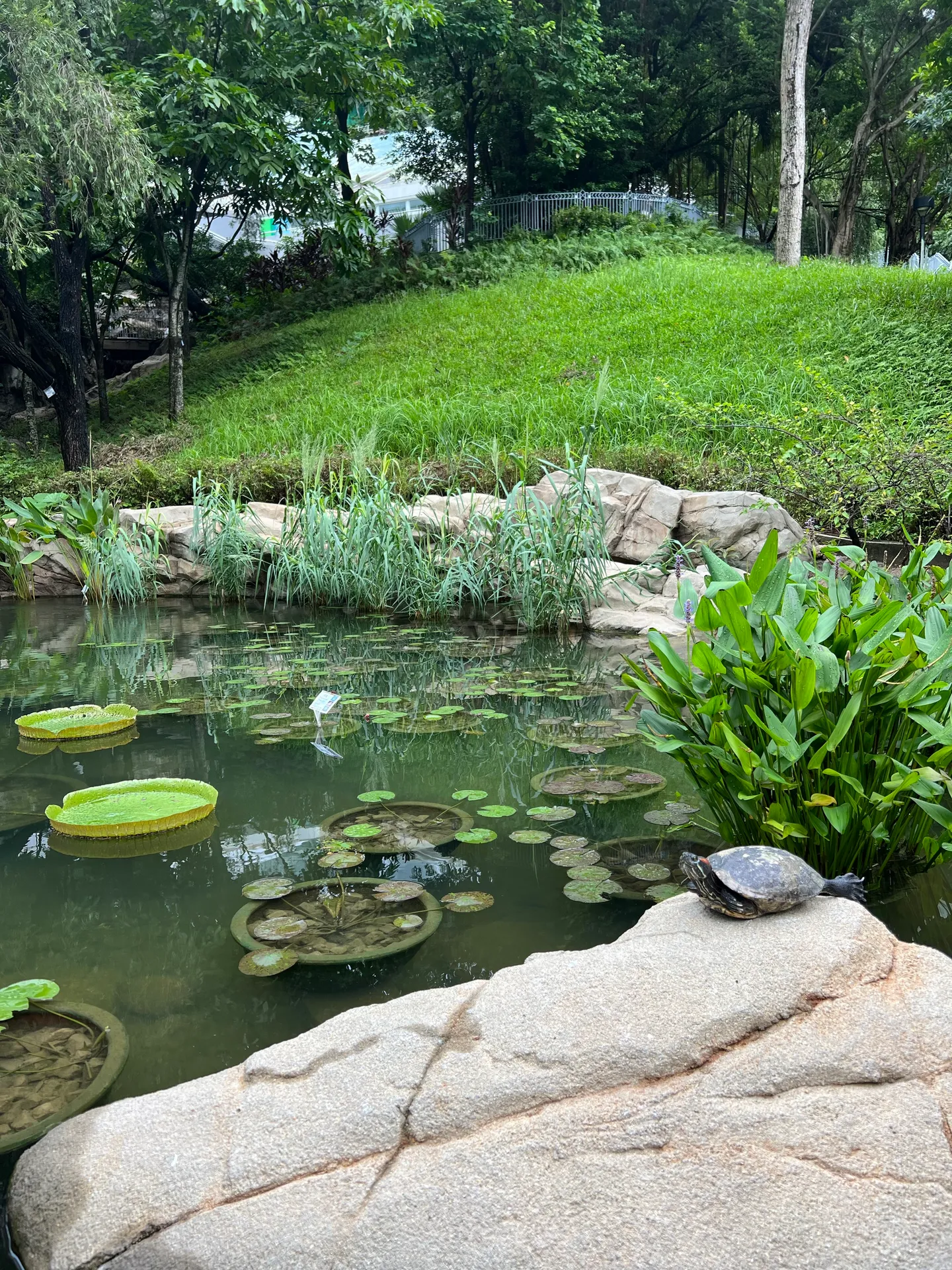
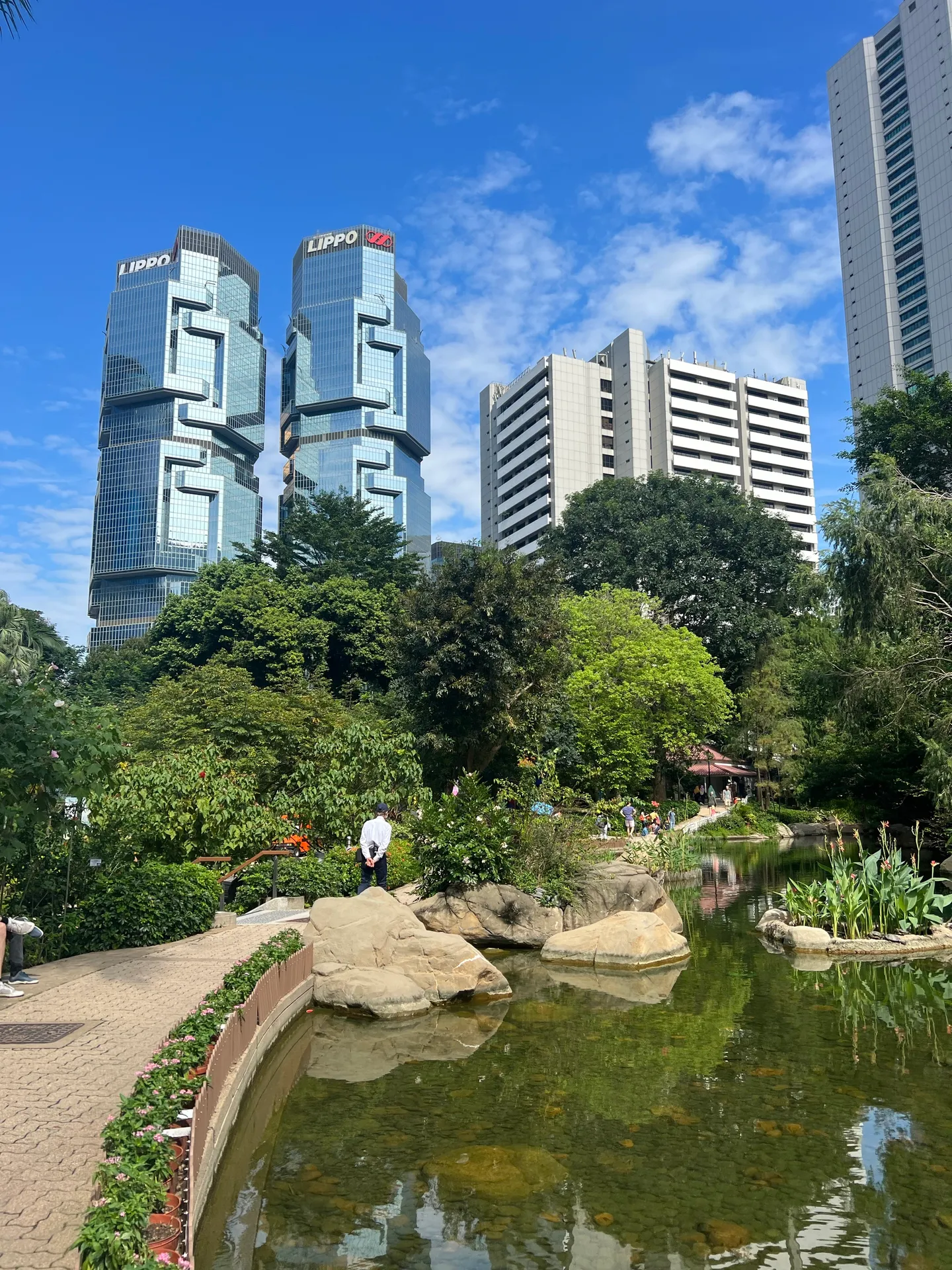
Hong Kong Park — a green urban park in the heart of Hong Kong among the skyscrapers of Central and Admiralty.
Hong Kong is easy to plan from a standard tourist checklist, but you may face long queues, crowds of tourists, a hot and humid climate, and end up disappointed in the city.
Here are places from my personal map and tips for visiting the most important sights to help you get the most out of your trip to Hong Kong.
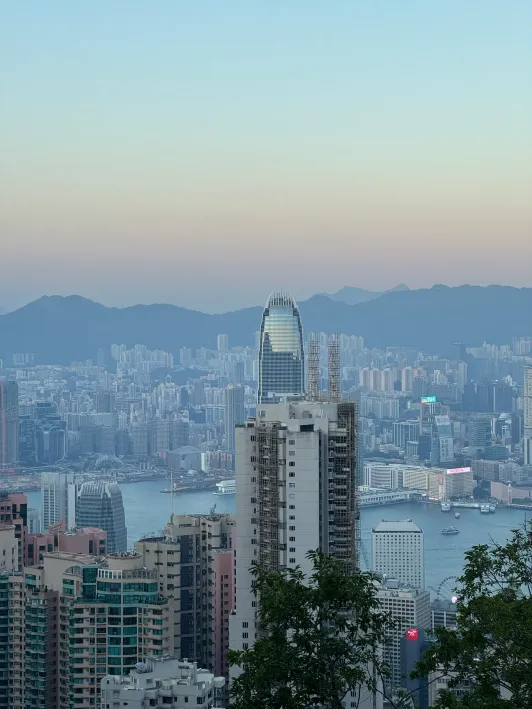
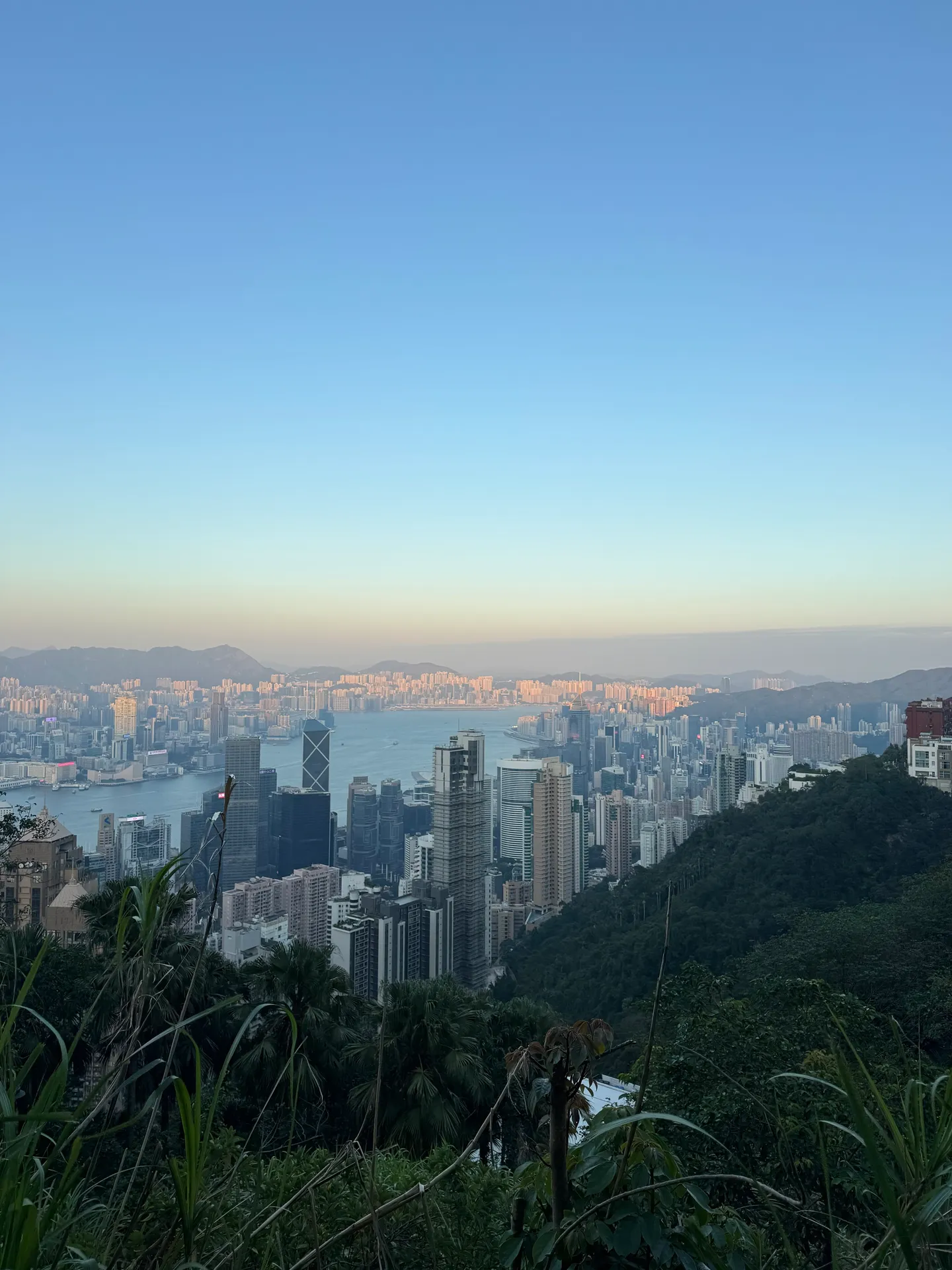
It's worth coming here not just for photos, but also for a walk along the Peak Circle Walk / Peak Trail — one of Hong Kong's most pleasant urban trails. Via the Central Green Trail you can walk back down to the center: the route takes about 40 minutes at an average pace and is suitable even for a walk with children.
How to get there: Victoria Peak Tram is a quick cable car, but be prepared for queues, especially an hour before sunset. Locals more often choose bus 15, a red taxi, or Uber.
📍 Victoria Peak — you don't need to buy a ticket to the paid observation deck, walk a little to the right to Lion's Pavilion, where you can see the famous view.

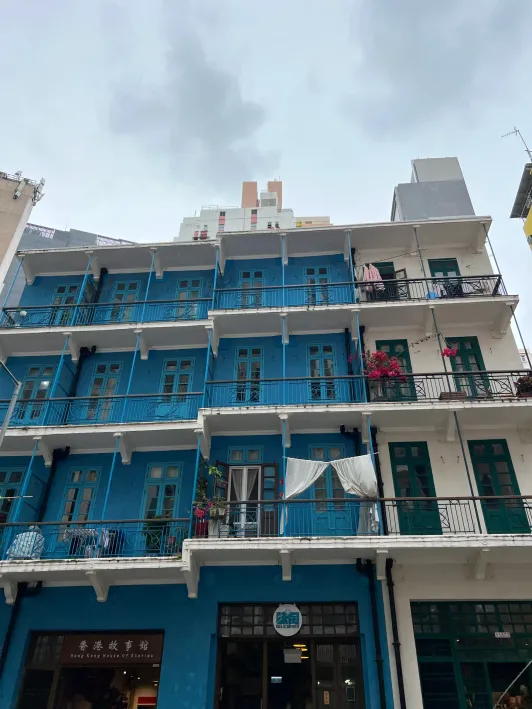
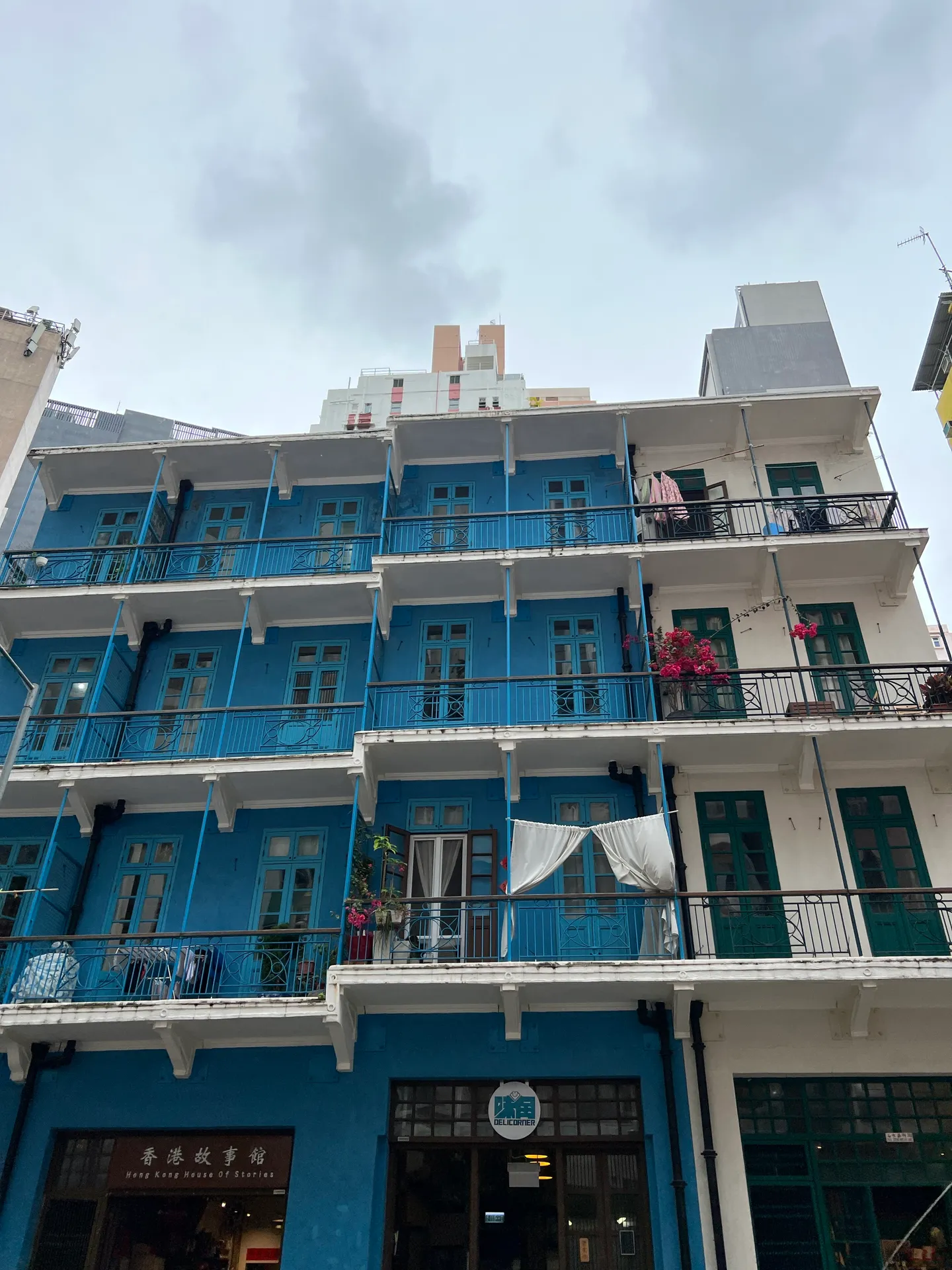
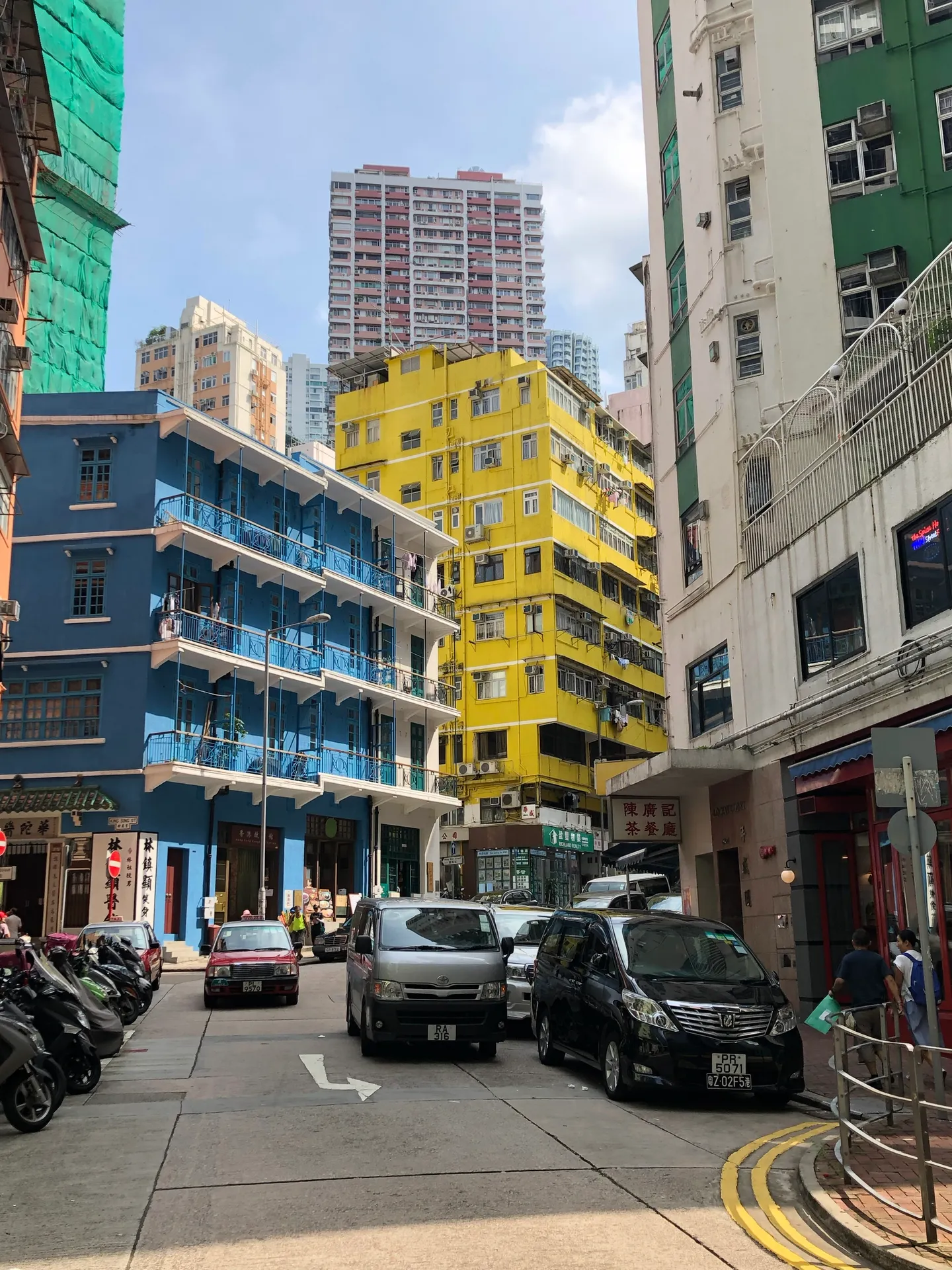
It's worth stopping here to see a more authentic, less glossy Hong Kong and combine the visit with a walk around Wan Chai. Blue House works well as a short stop between cafés, temples, and small streets where the city feels alive rather than just postcard-like.
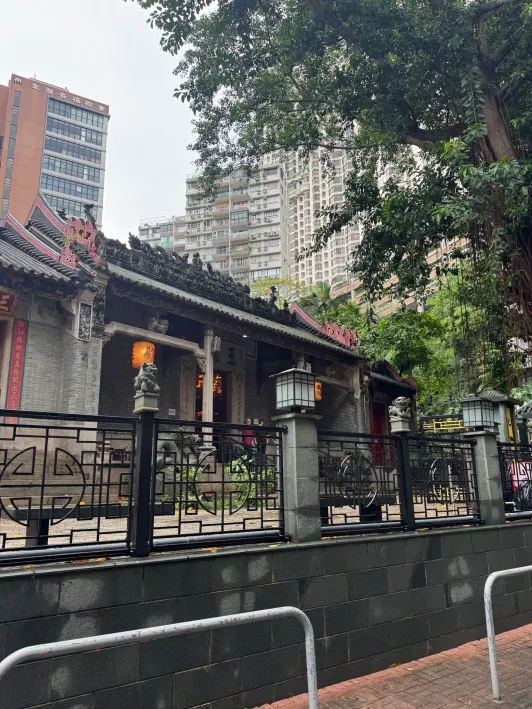
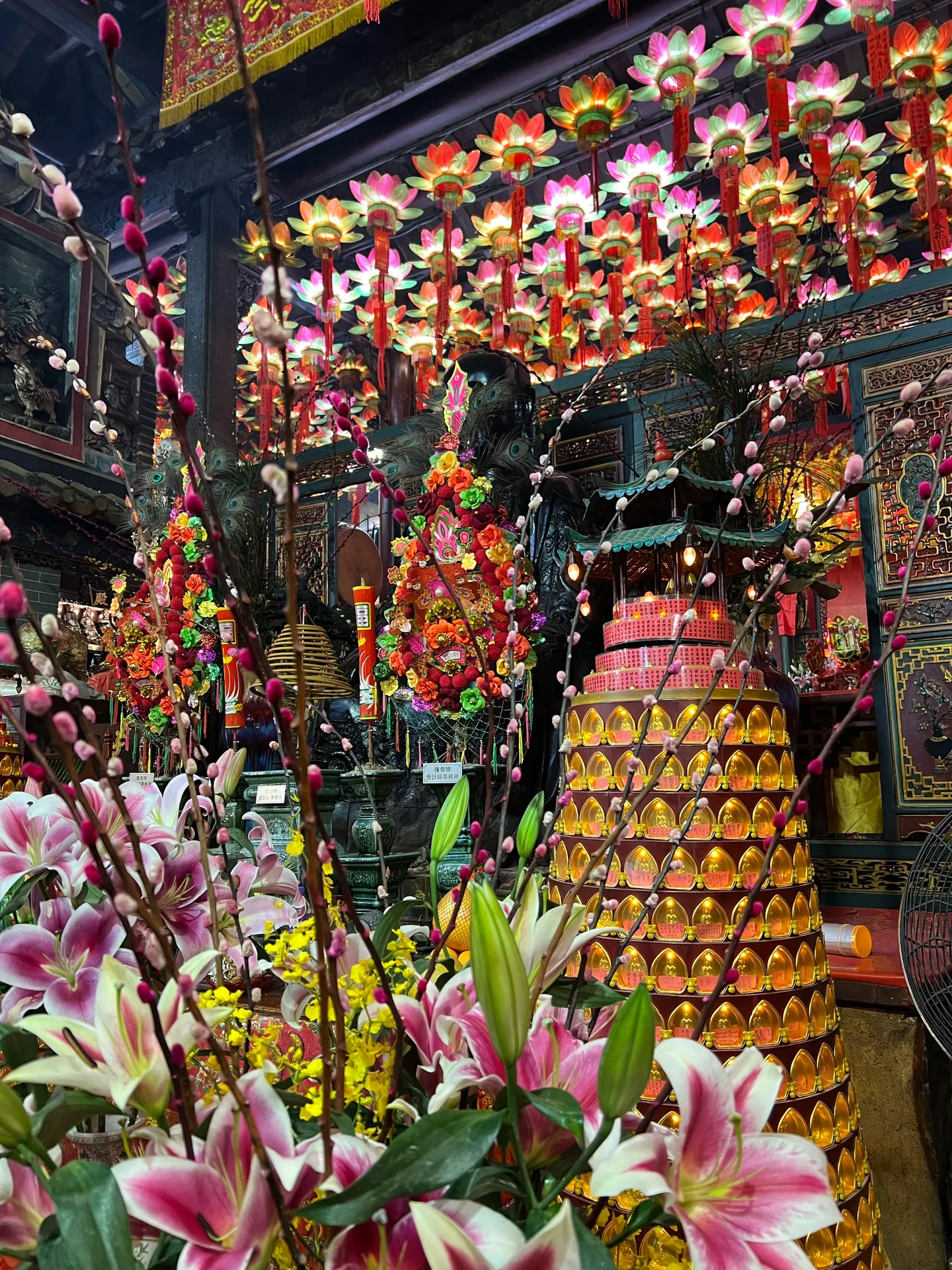
The temple is small but very authentic: it's an easy way to see the more traditional side of Hong Kong away from the skyscrapers. It's convenient to combine it with Blue House and a walk through Wan Chai for a more complete route through the historic district.
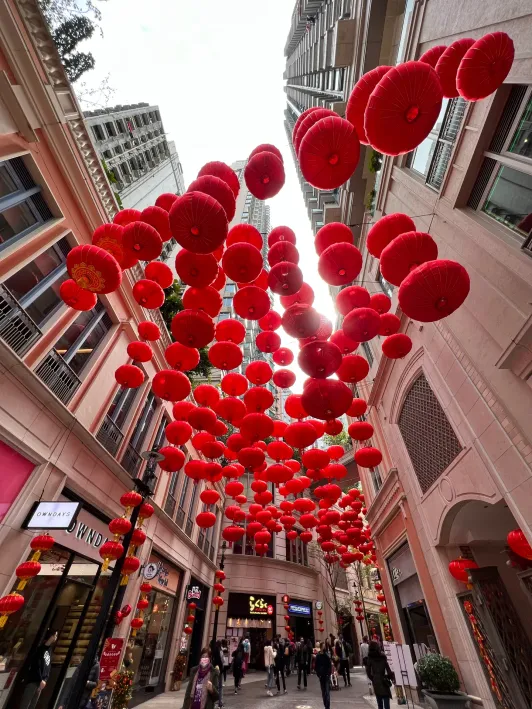
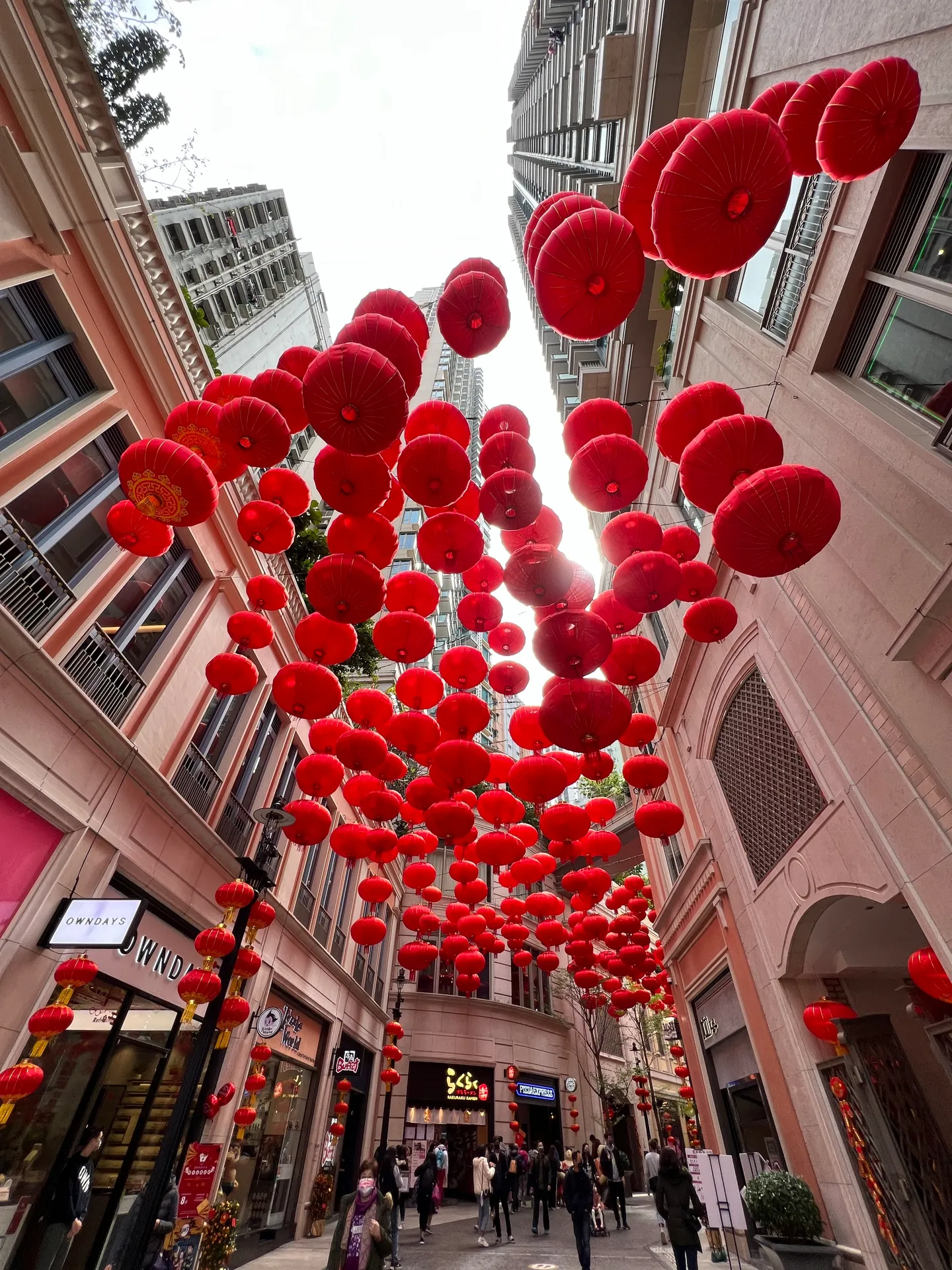
This street even has its own Instagram account, and it shows: the place looks cinematic and is well suited for a short stop during a walk through the island part of Hong Kong. It's better not to come here specially across the whole city, but to add Lee Tung Avenue to your Wan Chai route.
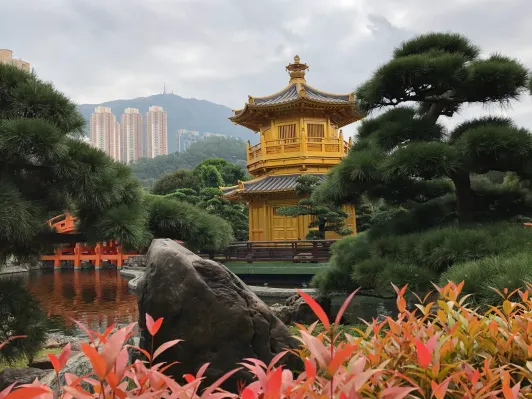
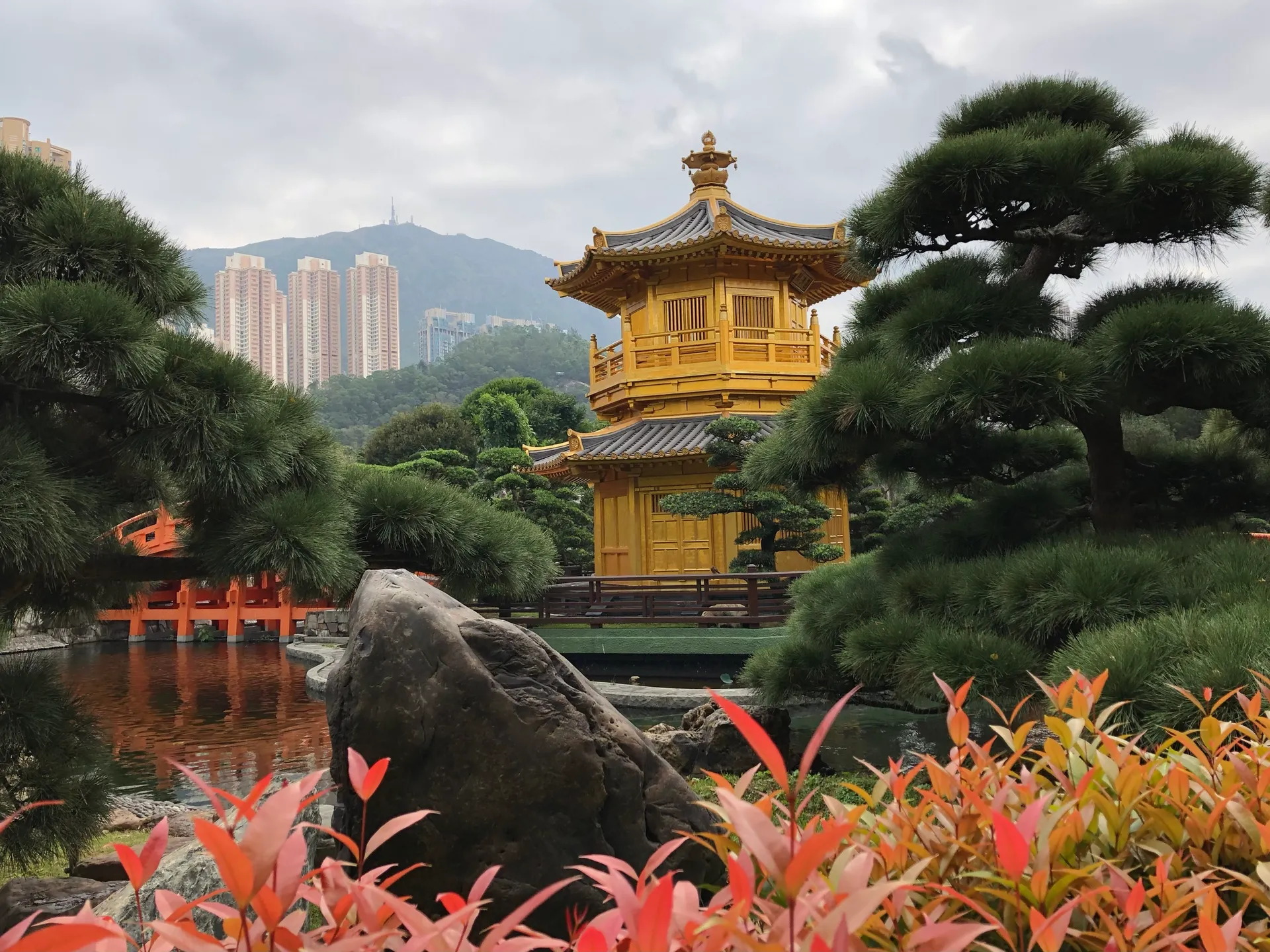
If you want peace and quiet, this is one of the best places in Hong Kong: the feeling is as if you've left the metropolis, although you can get here in about 20 minutes from the center. Try the vegetarian dim sum at the local café and combine the garden with Chi Lin Nunnery if you have time.
The summer season in Hong Kong is hot and humid, but indoors it is often very cold due to air conditioning. Make sure to bring a thin long-sleeved top and an umbrella: it will come in handy both against rain and sun.
Some Russian cards may not work in Hong Kong, even if they are UnionPay, so it's better to have cash on hand. It is also convenient to buy an Octopus Card for getting around Hong Kong: it is used in the subway, buses, trams, shops, and cafés.
In Hong Kong, many cafés, bars, salons, and small restaurants are not on the ground floor, especially in central areas. Look up: good places often hide in buildings that tourists don't immediately venture to enter.
For getting around Hong Kong by public transport, it's most convenient to buy an Octopus card at the subway or at 7-11 stores. Otherwise, you'll have to carry coins: buses and trams don't give change, although in recent years some types of transport have added card payment.
In Hong Kong's popular spots — Peak Tram, observation decks, the waterfront, museums, and restaurants — there can be queues. If your trip is short, don't pack too many famous spots into one day and leave time for getting around, the heat, and breaks.






This is a green oasis right among the skyscrapers: a great place to catch your breath after a walk through Central, stroll among the greenery, and see Hong Kong from a different angle. There is a good playground for children, turtles and fish in the pond, and nearby is the lower terminal of the Peak Tram to Victoria Peak. Also check out the teahouse — it's a tea museum and café featuring more than 20 types of tea and traditional snacks.