Guide to Xi'an and How to Visit the Terracotta Army

Xi'an, China
cover
About the author

Authors of the travel service TRIPPERS.IO

We offer individual online consultations:
— how to organize a trip;
— what to see in a new country: day-by-day itinerary;
— how to obtain a visa independently;
— where to book accommodation;
— how to get around between cities;
— what safety measures, etc.

Price — $45

Destinations we can advise on: South America, Central Asia, Southeast Asia, Arabian countries, India, China, Korea, etc.

What to See in Chiang Mai in 2-3 Days

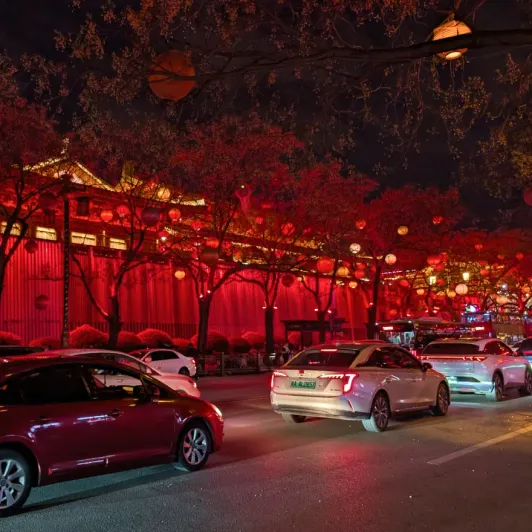
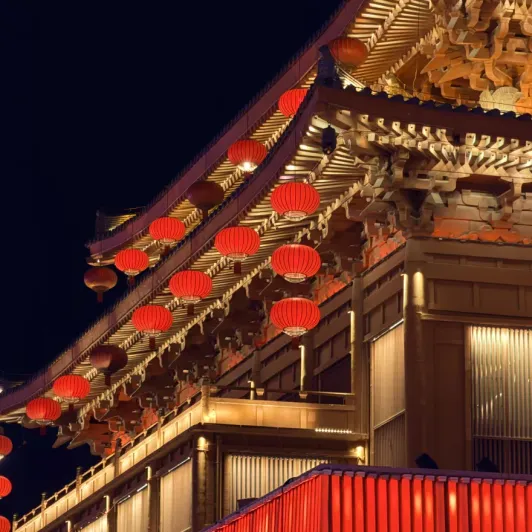
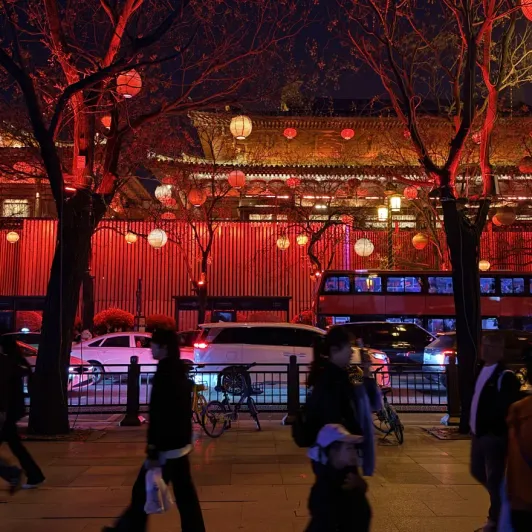
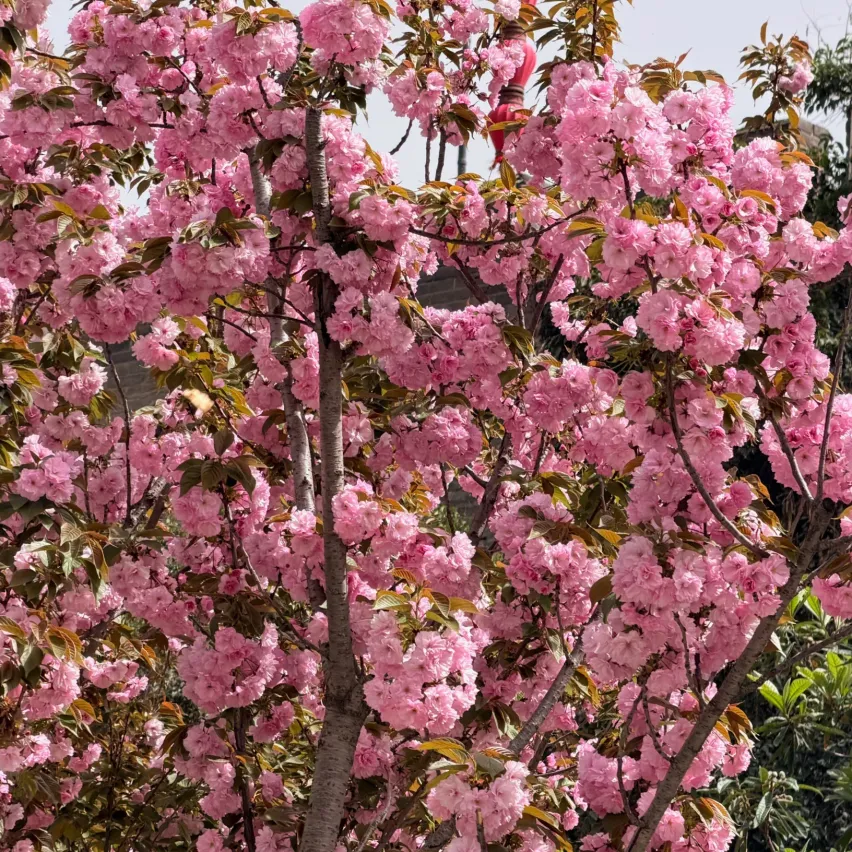
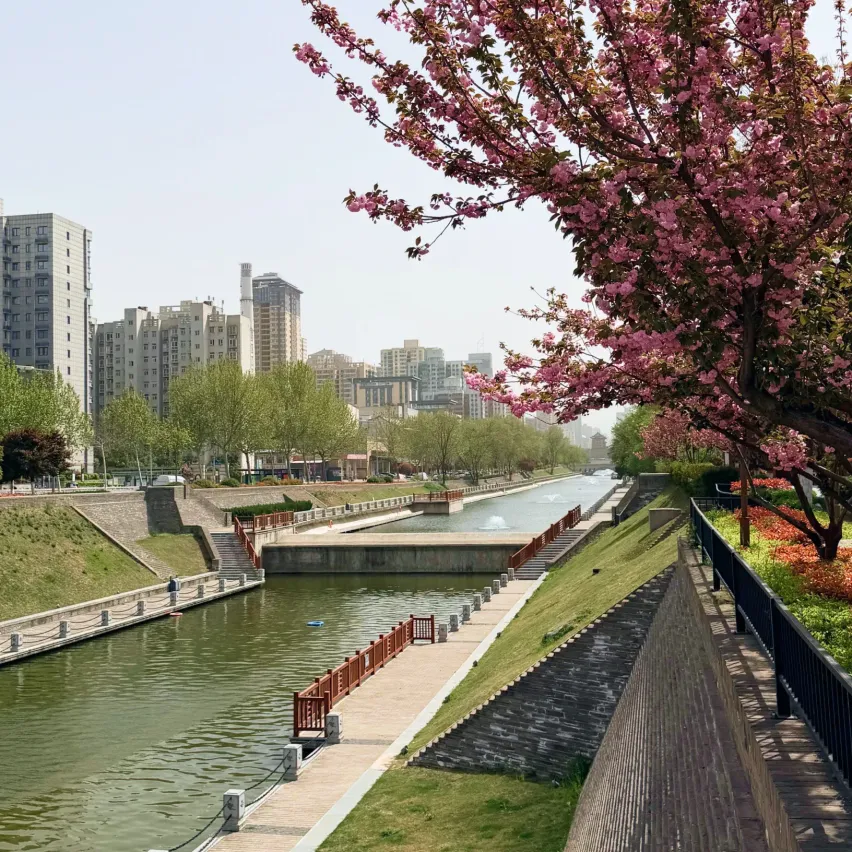
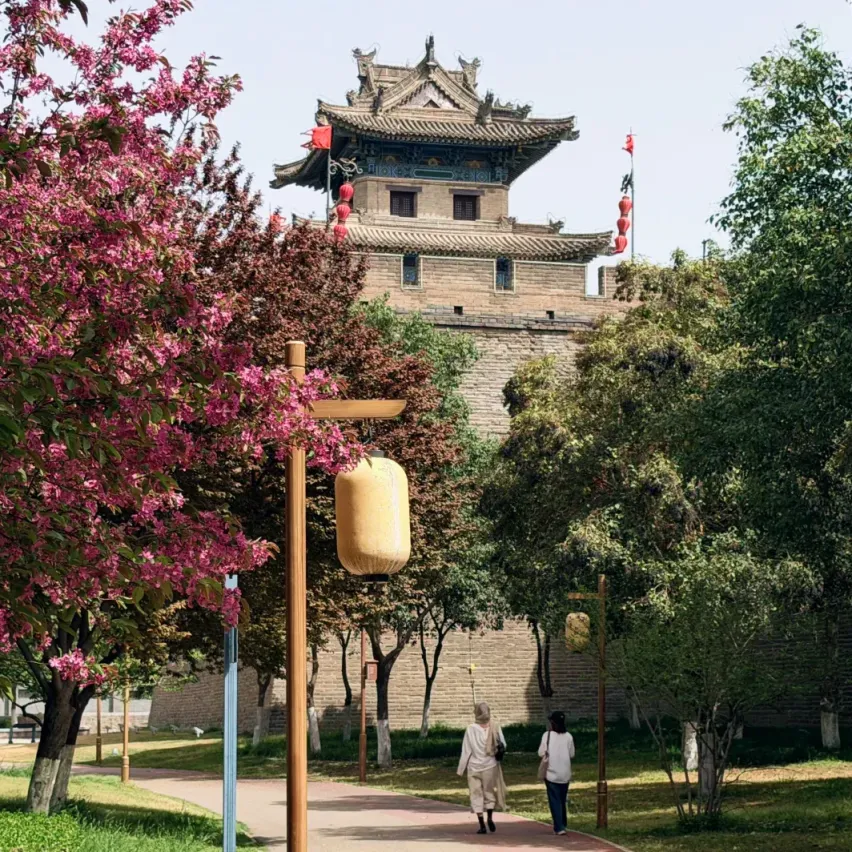
Xi'an is one of the most ancient cities in China and the first metropolis in the world where the legendary Silk Road once began. When planning your trip, keep in mind: there is no point in visiting for less than 2 days. A full day will be spent on a trip to the legendary Terracotta Army, and you should also make time to walk along the ancient city wall and be sure to experience the atmosphere of Xi'an in the evening, when everything around shines and sparkles with lights.

The main attraction of Xi'an is the Terracotta Army

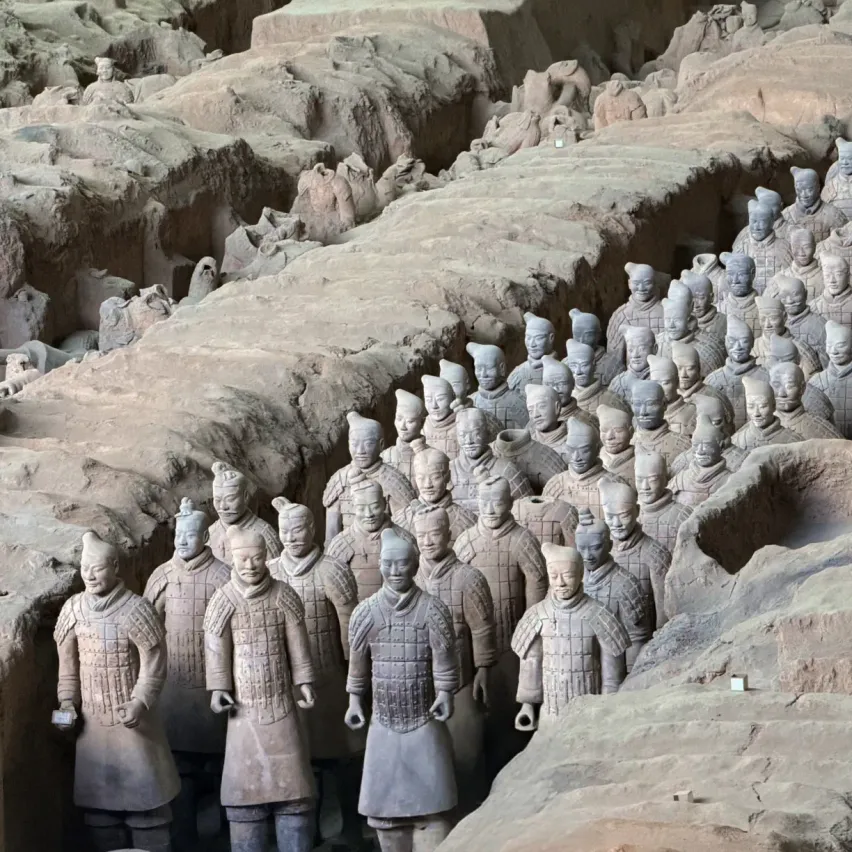
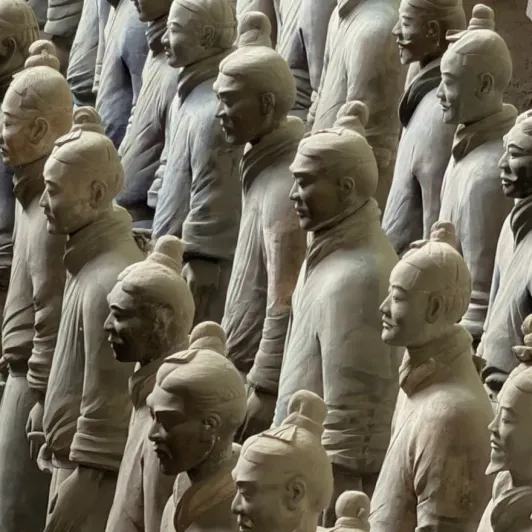
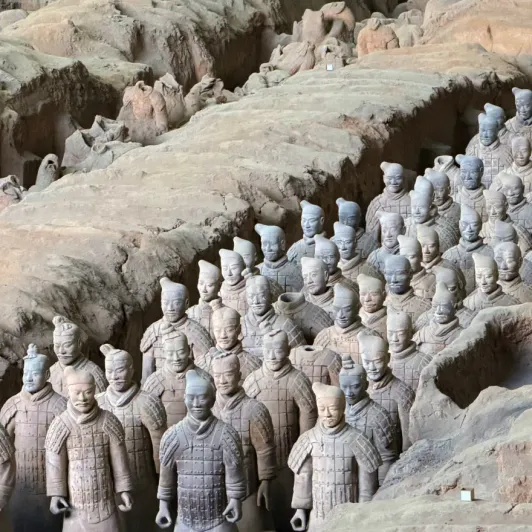
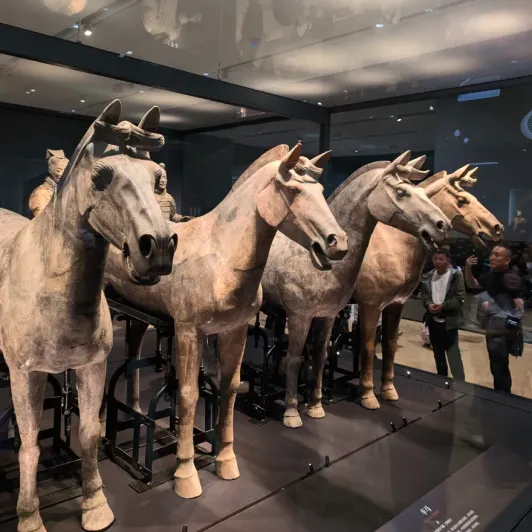
The Terracotta Army is a grandiose funerary complex of Emperor Qin Shi Huang. The ruler was so obsessed with the idea of immortality that he decided to take an entire army into the afterlife to protect himself from the spirits of his enemies. Just think about it: for over two thousand years, an entire army lay buried underground, and no one even suspected its existence!

Before Qin Shi Huang came to power, China practiced a gruesome tradition — burying servants and concubines alive alongside their master — just in case they might be needed in the afterlife. One could say that the creation of clay warriors became a kind of humanistic revolution. Moreover, depriving a prosperous state of thousands of trained fighters would have been the height of wasteful extravagance.

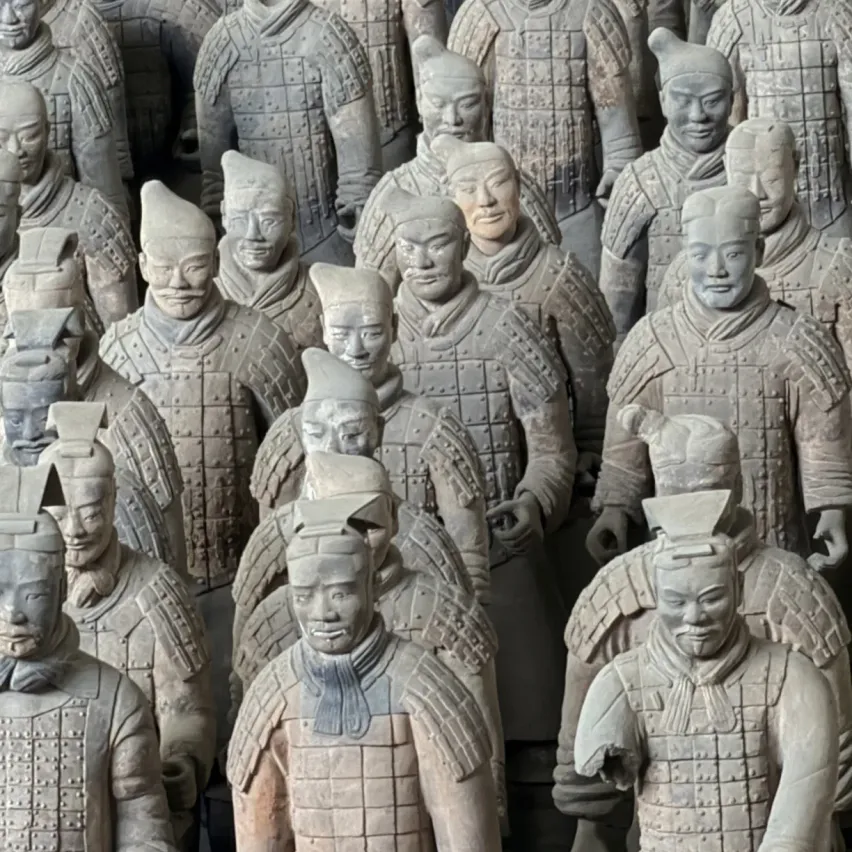
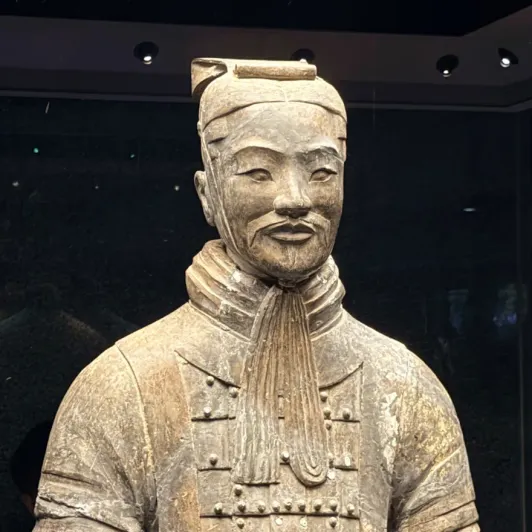
A remarkable fact: among 8,000 statues, no two are identical. Each infantryman and archer has individual facial features, expressions, and hairstyles — most likely, they were modeled after real people of that era. By the way, the "terracotta" color that the army acquired came with time. Originally, the warriors were covered with bright paints and glossy lacquer, which faded instantly when exposed to oxygen.

The modern Terracotta Army Museum might not have existed if local farmers hadn't decided to dig a well on their land in 1974. Can you imagine their shock when they stumbled upon this?

There are currently very few foreign tourists here, so there isn't much clear navigation for us either (not even in English). To help you avoid getting lost, below we've provided detailed instructions on how to independently reach the complex and easily navigate inside.

https://d2rzpmb54mcyw0.cloudfront.net/content/guides/db9e6331-7ffa-4b13-aa47-44759f549fe1-xian1.webphttps://d2rzpmb54mcyw0.cloudfront.net/content/guides/1af7aa4a-8b87-44d4-b7de-edf4ac31442f-xian2.webp
How to Get to the Terracotta Army

The Terracotta Army Museum is located approximately 40 km from Xi'an. You can get there in three ways — choose the option that suits your budget and travel style:

  1. Taxi (fast and hassle-free). Xi'an has one of the cheapest taxi rates. You can quickly catch an official green taxi right on the street near your hotel — they use meters, and a one-way trip will cost around $25. Another option is to book a ride through the Chinese app DiDi, which is usually slightly cheaper.

  2. Metro + bus (budget-friendly). If you want to save money and immerse yourself in local culture, this is the option for you. Head down to the metro and take line 9 (orange line) to Huaqing Pool station. Near the metro exit, look for free tourist shuttles or take city bus No. 613 or No. 602 (use the Chinese maps Baidu or Maps.Me to plan your exact route). Total transportation costs will be just $1–2.

  3. Direct tourist shuttle. On the Trip.com platform, you can book a package that includes museum admission + a bus transfer directly from central Xi'an. In this case, transportation will cost $3.50. The main thing is to select a convenient pickup point from the list when booking in advance.

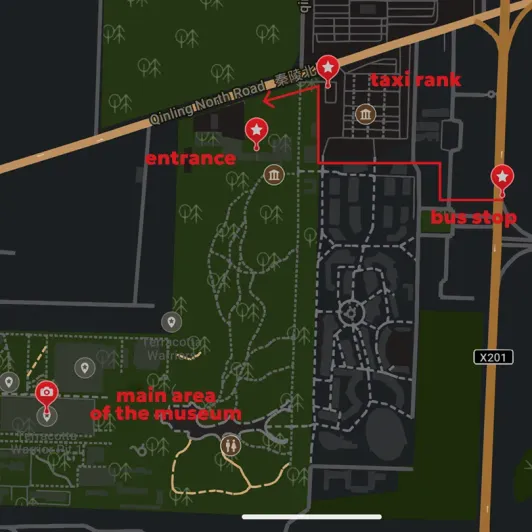
Please note: if you choose a bus or group shuttle, the transport will not take you right to the entrance. All tourists are dropped off at a terminal some distance from the museum complex, from where you'll need to walk another 7–10 minutes on foot. As we mentioned, navigation on site is challenging, so we've attached a route map in the carousel below.
Buy a ticket to the Terracotta Army Museum
Terracotta Army
秦始皇帝陵博物院(兵马俑)
Sights
More than 8,000 terracotta warriors buried approximately 2,200 years ago.
slider-photo

A single ticket allows entry to two areas: the main area with the army (three pits + exhibition hall) and the park area with the emperor's mausoleum (Lishan Park).

❗After 4 PM, all areas of the complex will be closed. To avoid a marathon-style sprint, plan to arrive at the museum before noon.

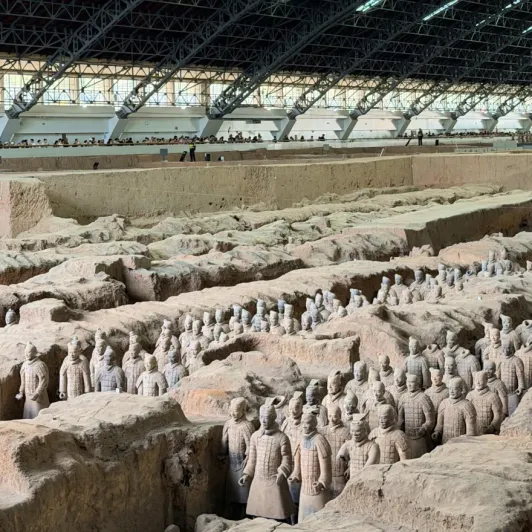
The main area with the warriors is the most expansive; please allow at least 2 hours to explore it. The famous Terracotta Army that we see in all photographs is in the first pit.

Lishan Park (the park with the mausoleum) is 2 kilometers from the main area. We walked for 20 minutes to get there. However, you can also spend a few dollars to take a taxi there. Just go through the turnstile at the exit and then head to the taxi parking lot.

We recommend purchasing tickets in advance, as the number of daily visitors is limited. Remember to bring your passport, as only those with valid documents can enter the area.

/p/#trippers

What to See in Chiang Mai in 1 Day

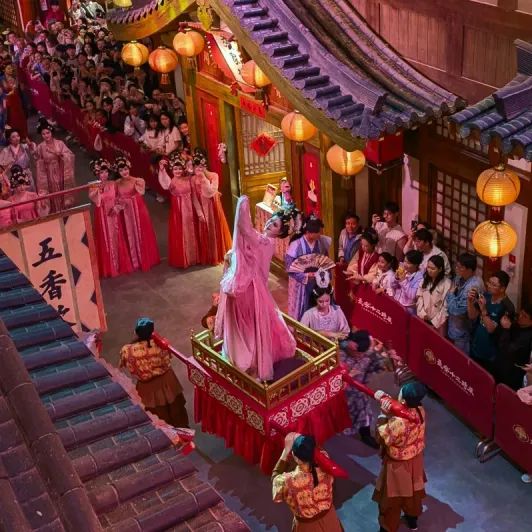
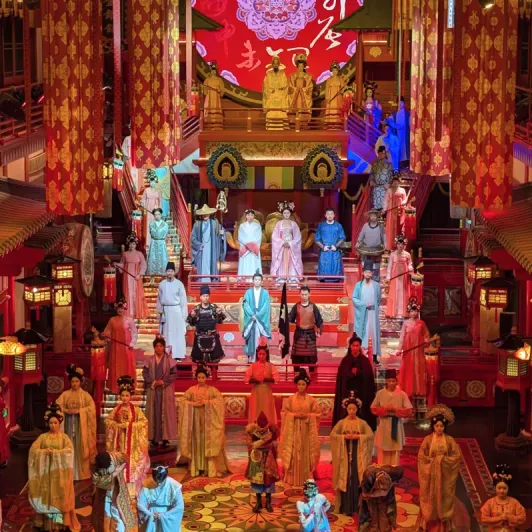
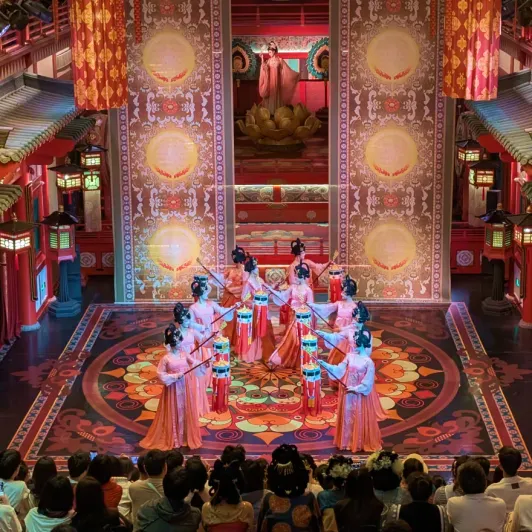
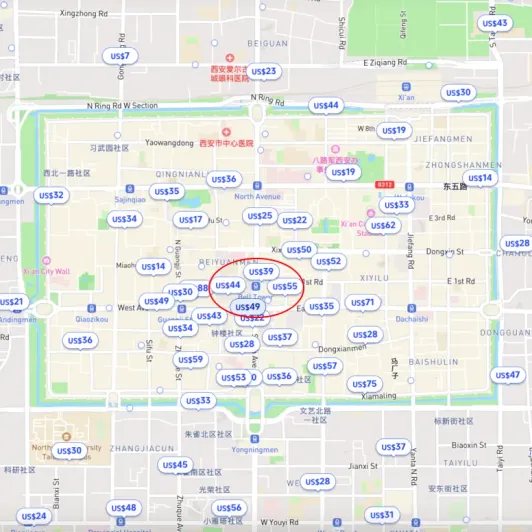
Xi'an is a festival city! It's literally created for lovers of spectacular shows, as performances here follow one after another! A huge advantage is that all the main tourist attractions are gathered in one location — you won't have to spend time on long trips around the city.

The entire local culture of Xi'an literally revolves around the legacy of the Tang Dynasty, which became an era of triumph in science, art, and technology for China. In those distant times, the city was the richest capital of the empire and the most populous metropolis on the planet. It's no wonder that today's Xi'an has transformed the aesthetics of that era into an absolute trend, which can be seen at every turn here.

If your time in the city is limited, but you want to get the most out of your trip (listen to authentic music, see large-scale immersive shows and costumed dances), head straight to the Qujiang district — the cultural quarter of the Tang Dynasty.

https://d2rzpmb54mcyw0.cloudfront.net/content/guides/a84a7c94-dbd5-4931-bd86-47490c9cd1ad-xian3.webphttps://d2rzpmb54mcyw0.cloudfront.net/content/guides/87e9e7a2-7ad4-4e7c-92ac-1baf1d1e6654-xian4.webp
https://d2rzpmb54mcyw0.cloudfront.net/content/guides/ab4b1aa7-d352-4463-b7af-caa7e7d601fe-xian5.webphttps://d2rzpmb54mcyw0.cloudfront.net/content/guides/aab5d486-d624-4299-a37b-08527c37952f-xian6.webphttps://d2rzpmb54mcyw0.cloudfront.net/content/guides/8035851a-5632-437d-95eb-274fa2ecc113-xian7.webp
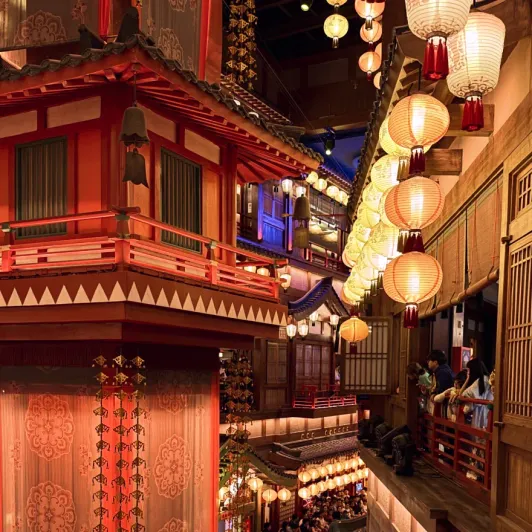
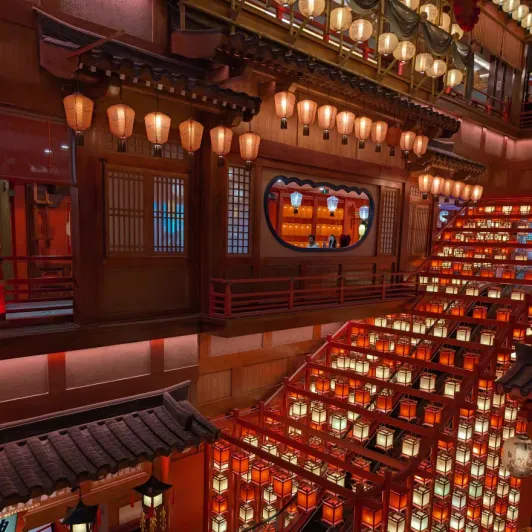
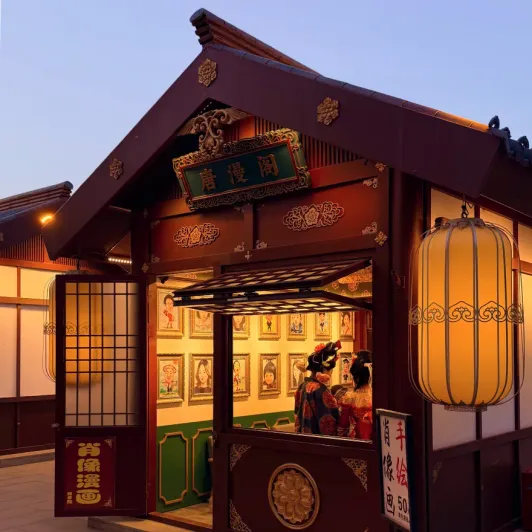
Amusement complex "The Longest Day in Chang'an"
长安十二时辰主题街区
Entertainments
An interactive three-story complex that completely transports guests to the golden age of the Tang Dynasty.
slider-photo
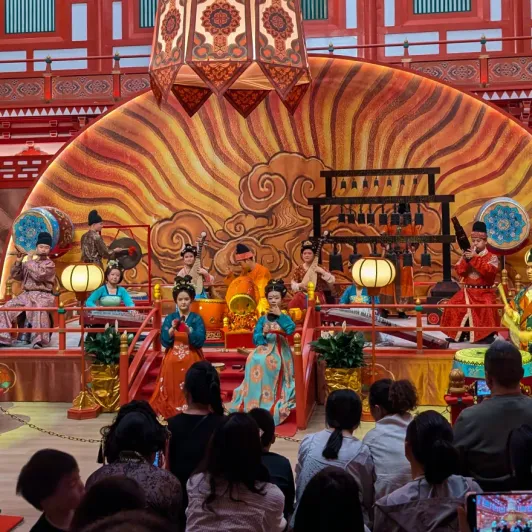
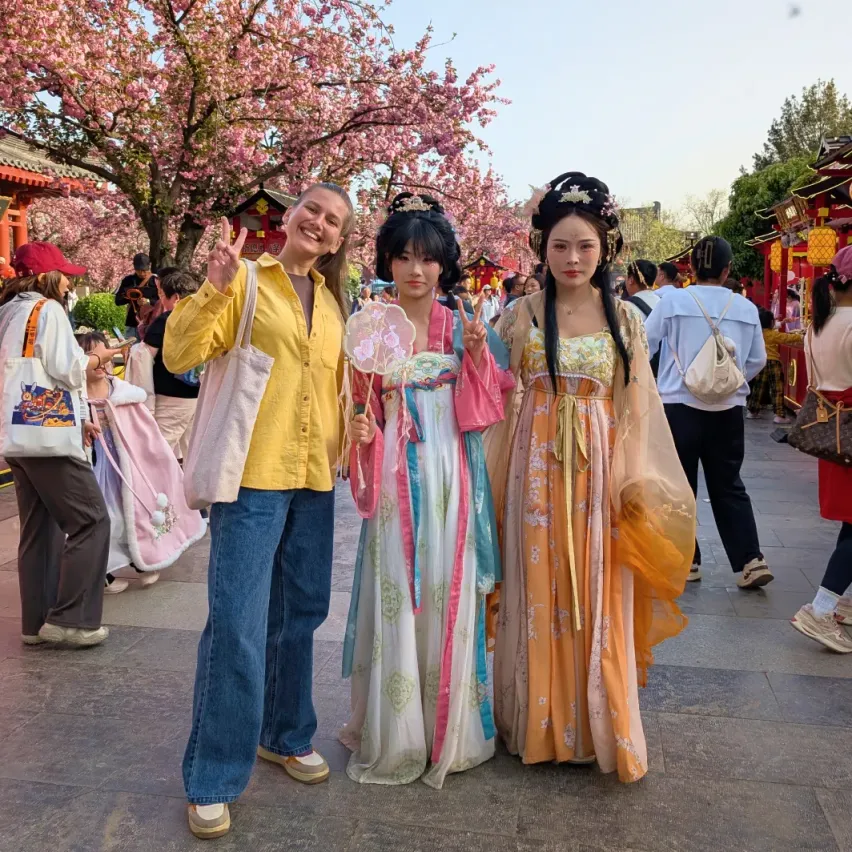
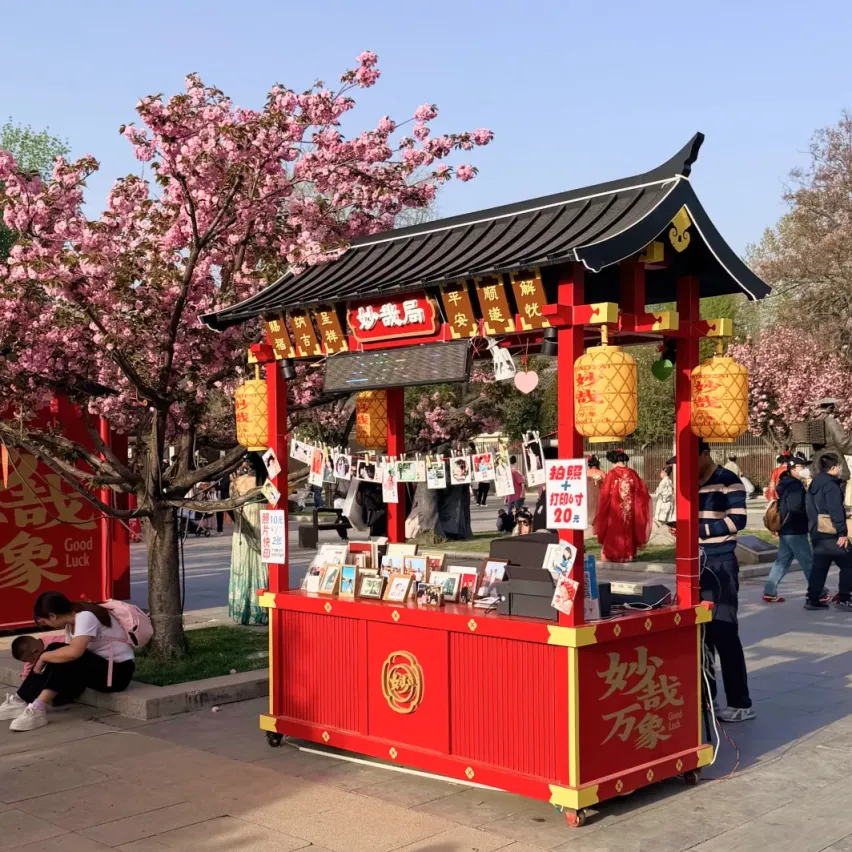
In these three-level sets, the atmosphere of the ancient Chinese capital has been recreated in the most vibrant way possible. Here you'll find beautiful interiors, dozens of photo spots, and impressive dance and music shows running practically non-stop. By the way, the main local entertainment in Xi'an is to rent a luxurious silk hanfu costume, do your makeup, style your hair authentically, and have a photo shoot around the city (in parks, cafes, public spaces). This complex is perfectly suited for these purposes — you can try it too! You can rent a costume and get your makeup done right inside the complex.
/p/#trippers
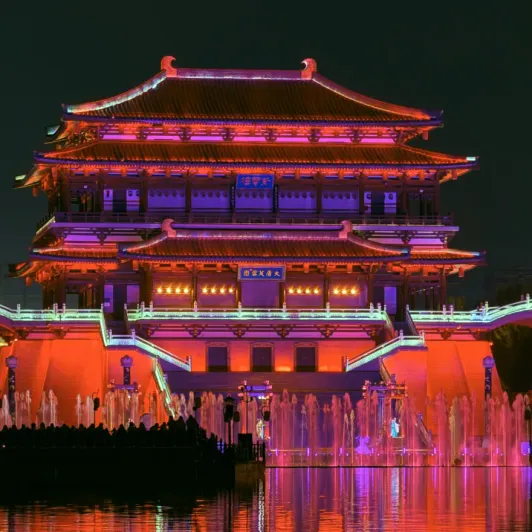
Tang Paradise Park
大唐芙蓉园
Parks and reserves
A magnificent open-air theme park sprawling around a picturesque lake.
slider-photo
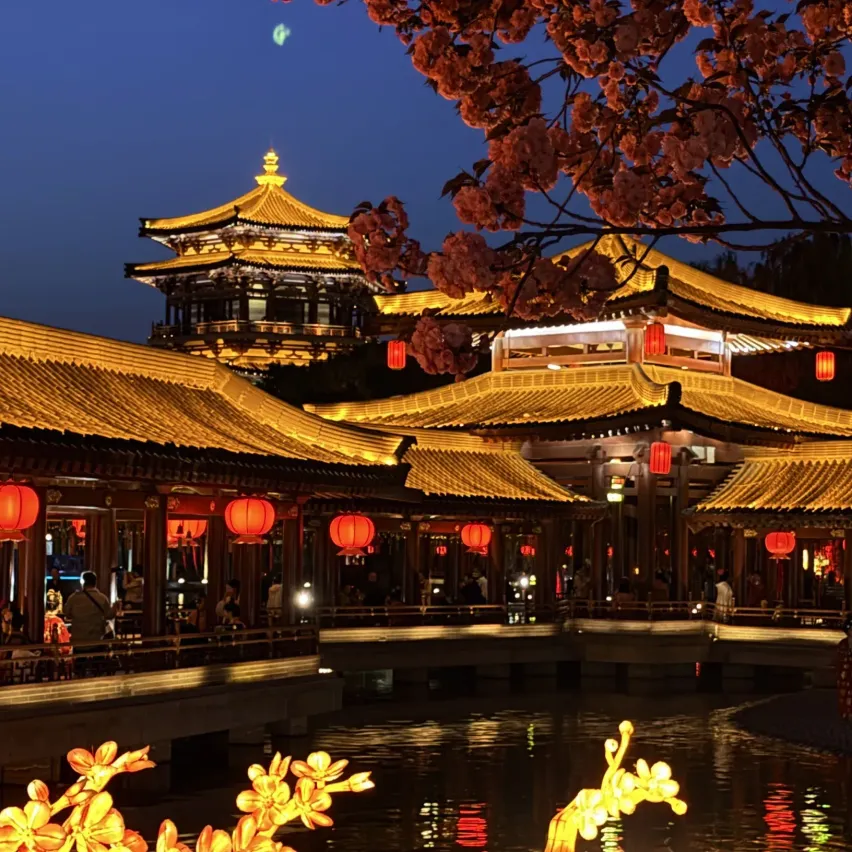
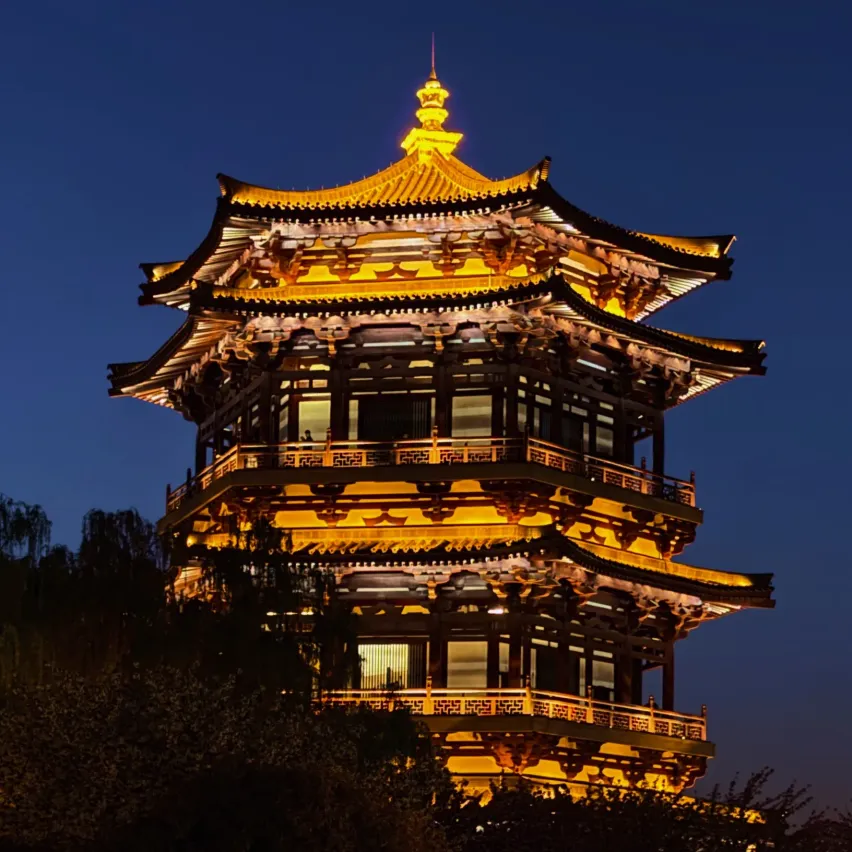
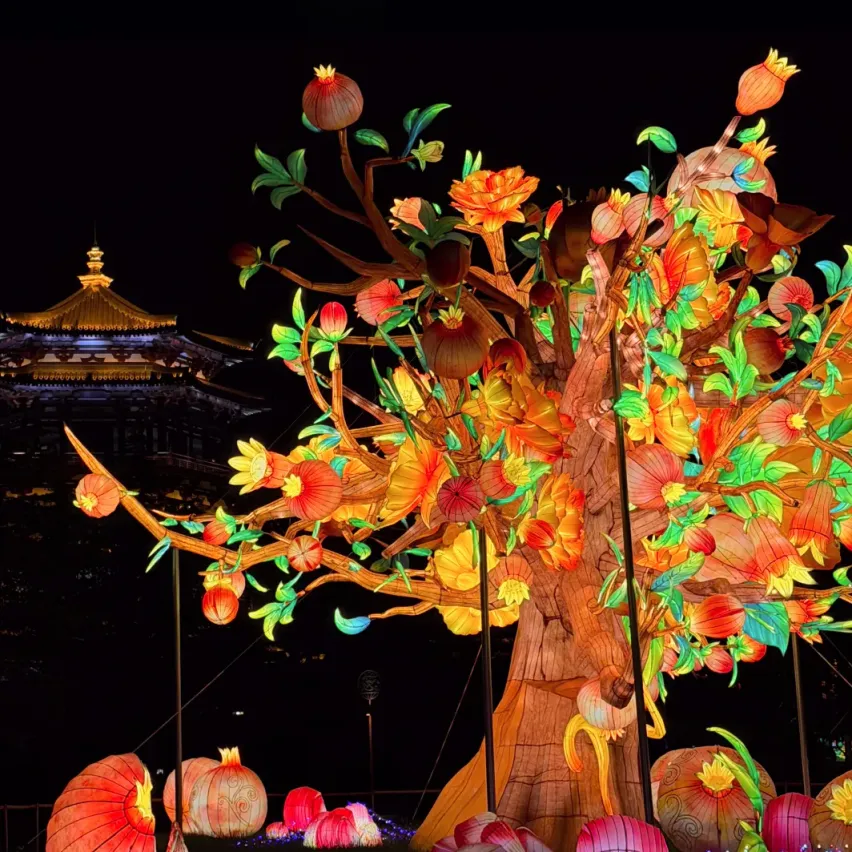
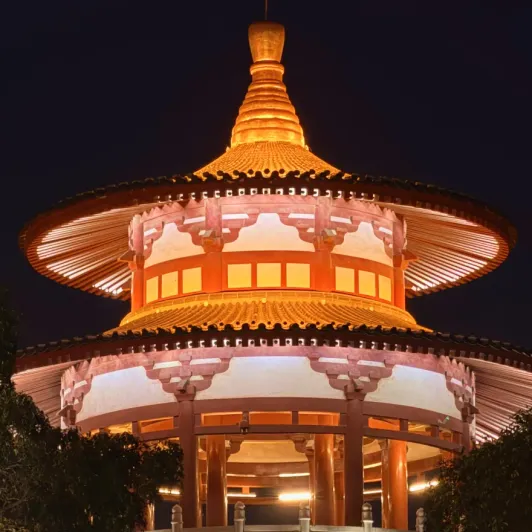
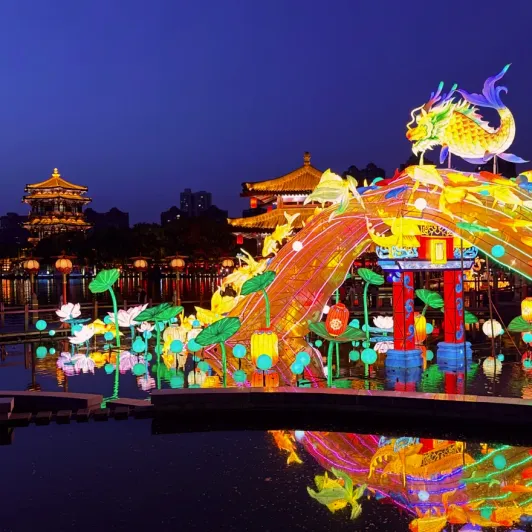
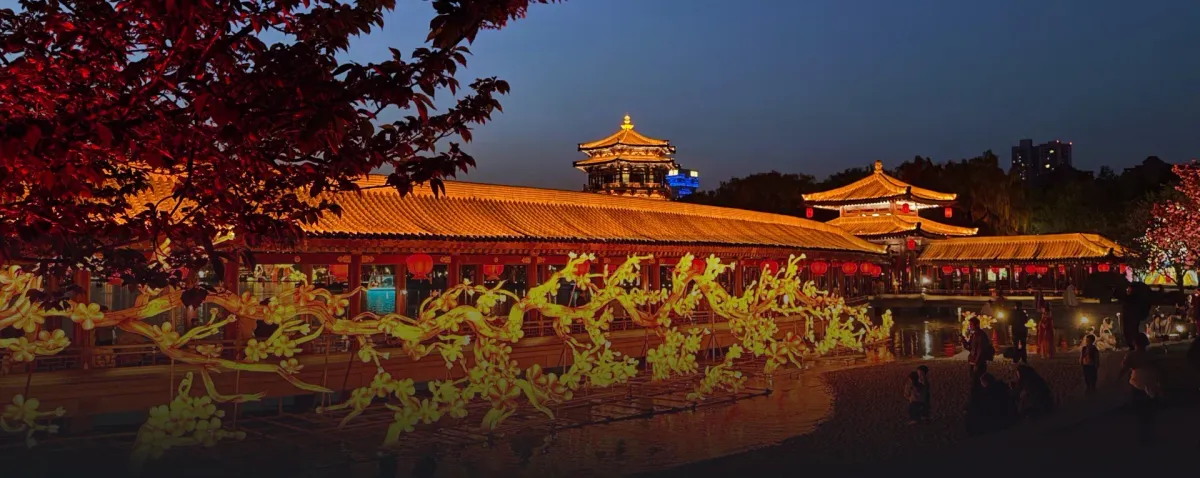
Across this vast territory around the lake, palaces, pagodas and stone bridges were built in the style of the Tang Dynasty era. We recommend visiting the park at dusk: as closing time approaches, there are fewer visitors, and the imperial garden transforms into a magical light show. Moreover, the main laser show on the water takes place in the evening. And don't forget to purchase park entrance tickets or show tickets in advance so you can enter via QR code without waiting in line. In the park you will also encounter numerous photo zones and local girls wearing traditional hanfu dresses. It's as if all of China comes to Xi'an for a photo shoot!
/p/#trippers
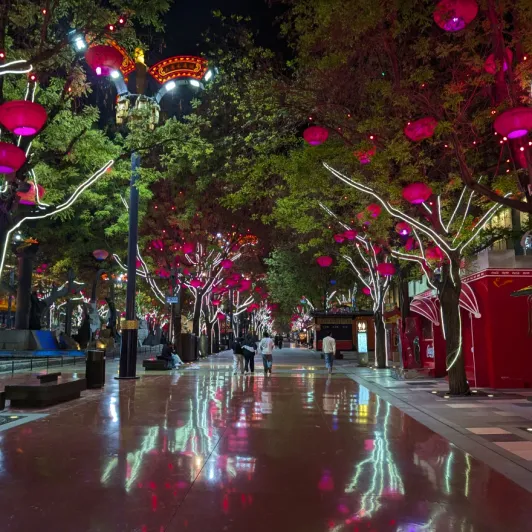
Grand Tang Mall
大唐不夜城
Entertainments
Xi'an's main pedestrian street.
slider-photo
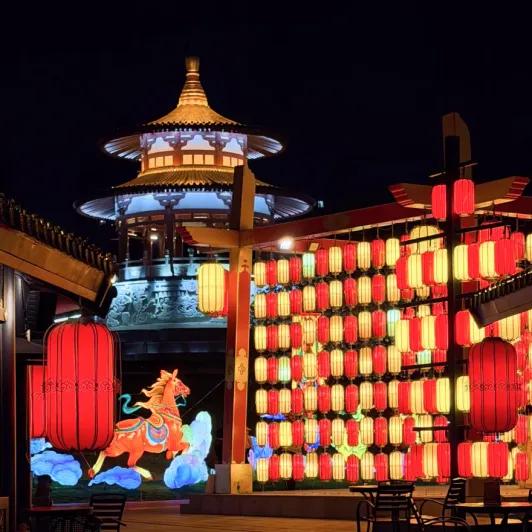
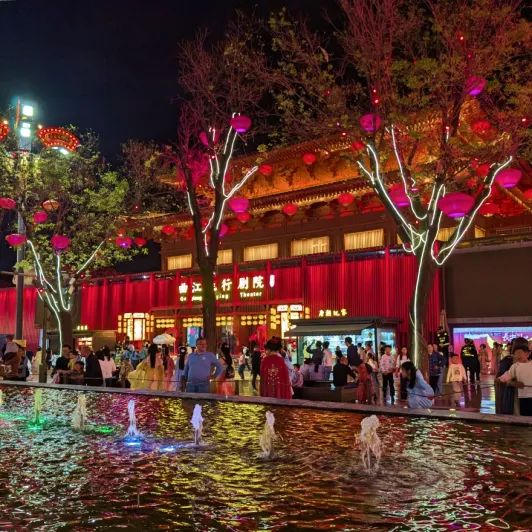
A two-kilometer pedestrian zone that transforms into a continuous neon carnival in the evening with incredible illumination and street entertainment. Due to its scale, this location is often called the "Chinese Vegas."

Along the entire promenade are dozens of concept restaurants, modern cafes and souvenir shops. Prices in Xi'an are quite friendly, despite being one of the main tourist destinations.

/p/#trippers
Chang'an Dapaidang
长安大牌档之梦回大唐(大唐不夜城店)
Restaurant
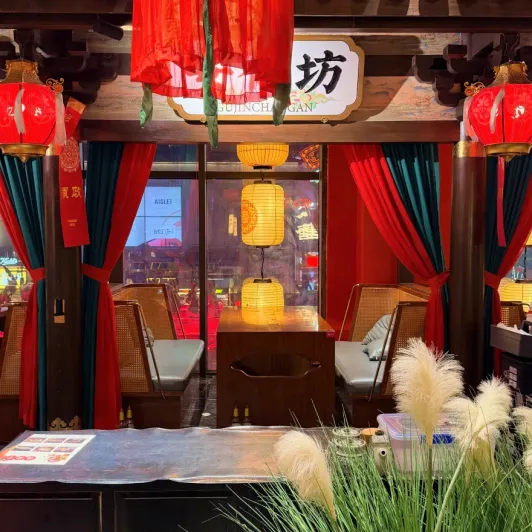
A chain restaurant in Xi'an, styled as a tavern.
slider-photo

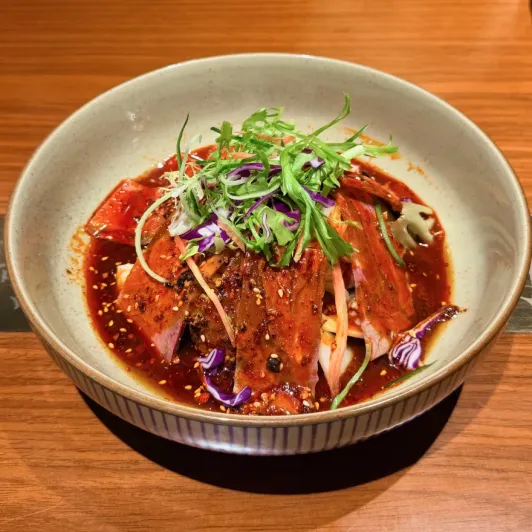
Xi'an is the birthplace of the legendary super-wide and very long noodles. You can find noodles like those served in expensive restaurants as well as in authentic street eateries. They are usually served with oil, chili, garlic, and fresh herbs.

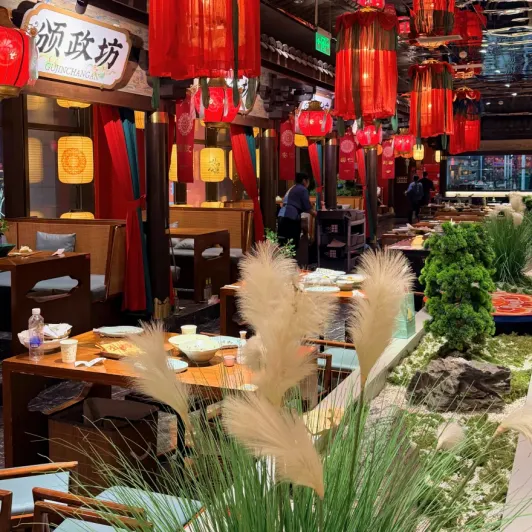
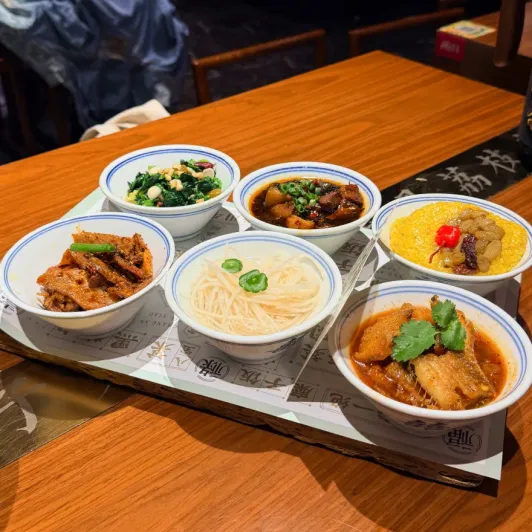
We recommend the "Chang'an Dapaidang" restaurant to everyone who loves Chinese cuisine but wants to try unusual "complex" dishes with interesting combinations of spices and ingredients.

/p/#trippers
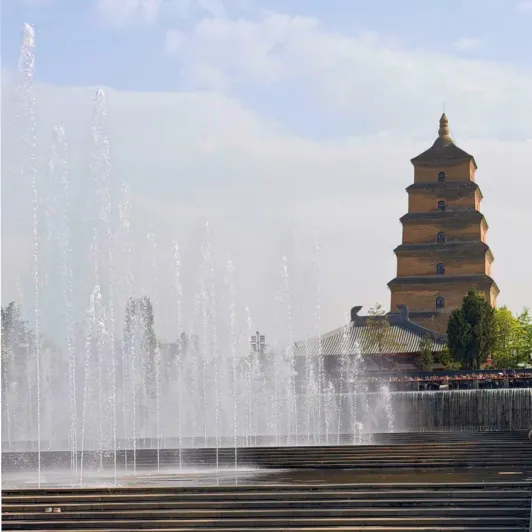
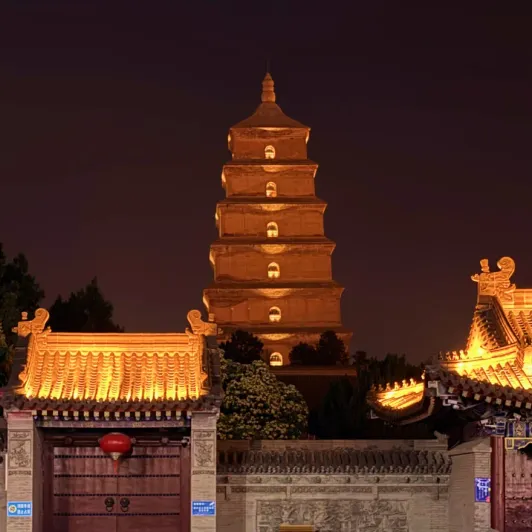
Giant Wild Goose Pagoda
大雁塔
Sights
An iconic ancient Buddhist shrine.
slider-photo

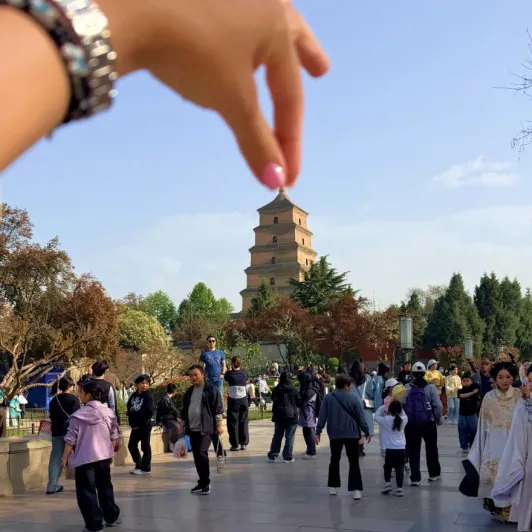
The pagoda is considered one of the main symbols of Xi'an. Due to groundwater and past earthquakes, it has begun to lean noticeably to one side, becoming a local "Leaning Tower of Pisa".

Inside the temple complex, you can peacefully stroll through quiet gardens and climb to the observation deck of the pagoda.

/p/#trippers

What else to visit in Xian

https://d2rzpmb54mcyw0.cloudfront.net/content/guides/18b7c8fb-b89f-463e-bb8e-60299bc5ec31-xian8.webphttps://d2rzpmb54mcyw0.cloudfront.net/content/guides/3df1a547-3741-4355-9027-6fbbd6508146-xian9.webp
https://d2rzpmb54mcyw0.cloudfront.net/content/guides/73555ff7-196c-42fd-8e61-d16159889774-xian10.webphttps://d2rzpmb54mcyw0.cloudfront.net/content/guides/9aa2fd9b-fcf0-4ae7-892d-5db8d37abd84-xian11.webphttps://d2rzpmb54mcyw0.cloudfront.net/content/guides/78c57d62-64de-47f4-9cb0-56b24539d645-xian12.webp
Xi'an City Wall
西安城墙
Sights
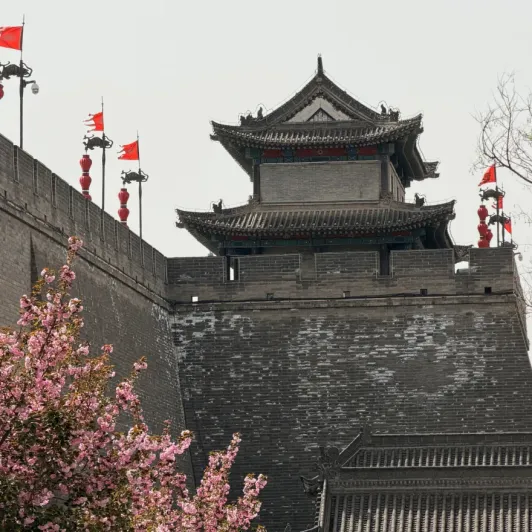
A medieval fortification that completely surrounds the historic city center.
slider-photo
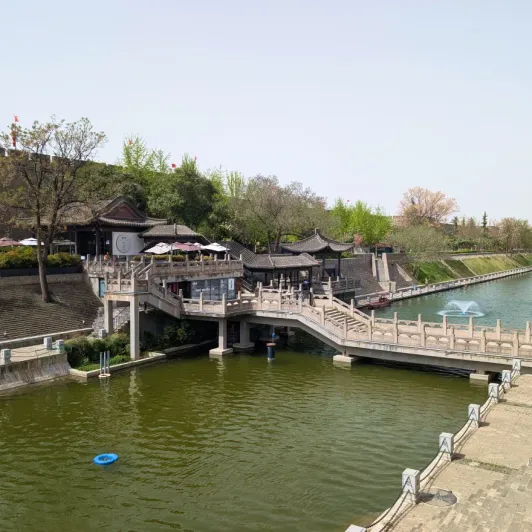
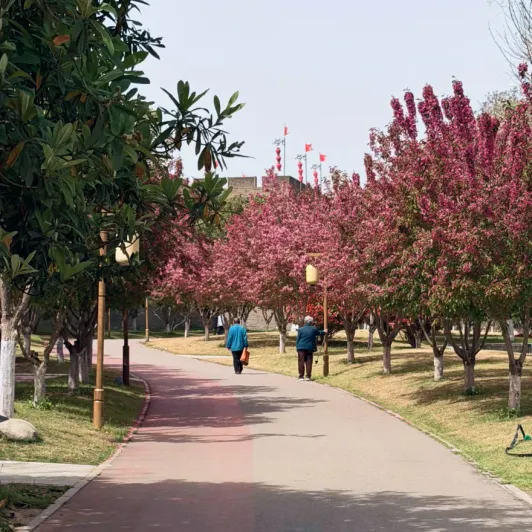
This is considered one of the few surviving and best-preserved fortress walls in the world. You can climb to the top for panoramic views or explore the blooming park at its base. However, we recommend a canal cruise along the wall on autonomous boats (tickets can be booked on Trip.com). Be sure to choose a time closer to sunset, when atmospheric city lighting illuminates the ancient towers.
/p/#trippers
Bell Tower
西安钟楼
Sights

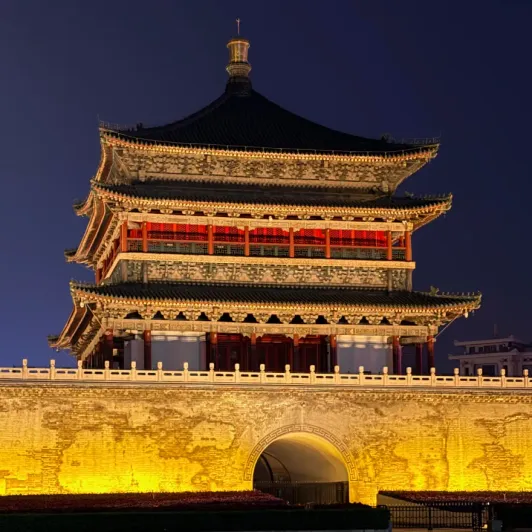
The main symbol of Xi'an in the center of the old city, inside the city wall.

one-photo

You can climb the tower to see the collection of bells and view the city from its most central point.

But the real magic happens in the evening, when the city lights come on. The tower transforms into a futuristic structure amid the flow of rushing traffic. It's another iconic location where crowds of girls in traditional hanfu costumes come in the evenings for authentic photo shoots.

/p/#trippers
Drum Tower
西安鼓楼
Sights
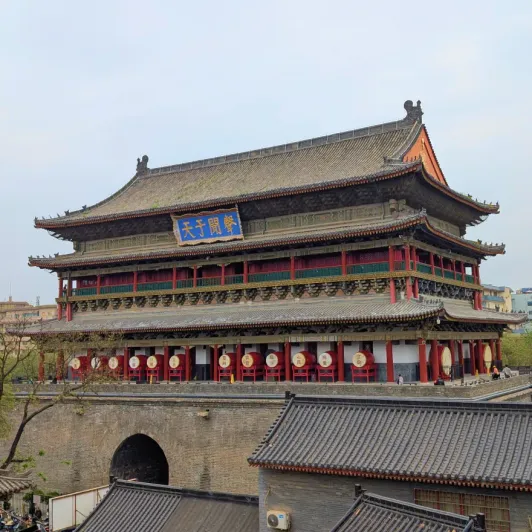
Xi'an's symbol and the "gateway" to the city's famous Muslim quarter.
one-photo
It is said that in ancient times the towers worked in tandem: the morning bell announced the beginning of the day, while the evening drums marked the sunset and the closing of the city gates. You can also climb the Drum Tower: inside you will find an exhibition of giant drums, antique furniture, calligraphy and paintings. Additionally, musical performances with traditional folk dances are held here several times a day.
/p/#trippers
来哒Coffee&Tea
Restaurant
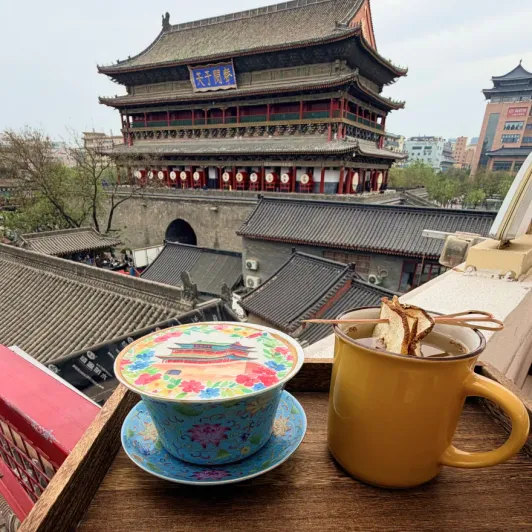
Cafe with a view of the Drum Tower.
slider-photo

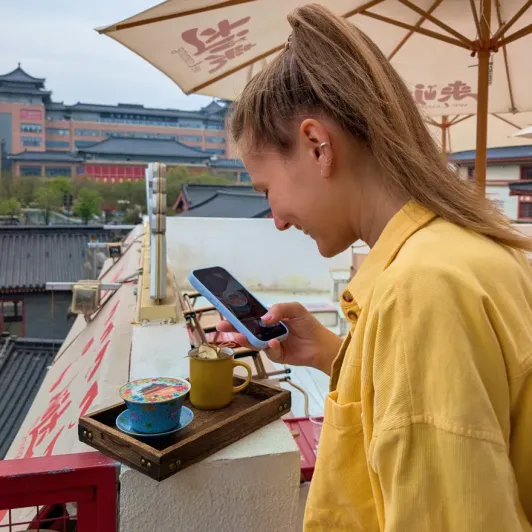
The café is located on the roof of a small souvenir shop at the corner of a narrow street. To get up there, you need to go inside and find the stairs in the far corner of the hall.

They make very delicious teas here with spices and dried fruits. However, when ordering coffee with a picture of the Drum Tower, be careful: the presentation looks amazing, but the picture itself is just a piece of paper. It's worth buying solely for social media photos.

/p/#trippers
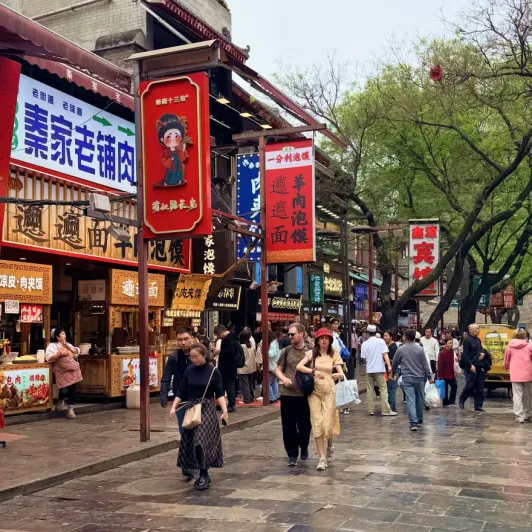
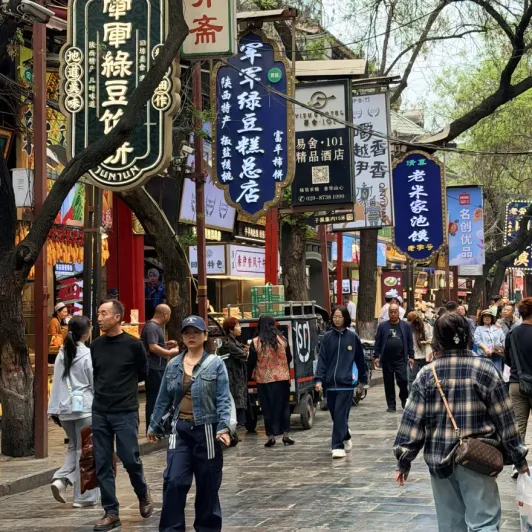
Xi'an Muslim Quarter
回民街
Entertainments
The most famous gastronomic and cultural epicenter of Xi'an.
slider-photo

The Muslim Quarter emerged thanks to Arab and Persian merchants of the Great Silk Road. It's a bustling maze of narrow streets right behind the Drum Tower, where Chinese and Islamic cultures are remarkably intertwined.

The main attraction of this place is authentic halal street food: hearty lamb soups, crispy flatbreads, chewy nut sweets and spicy kebabs.

/p/#trippers
Great Mosque of Xi'an
西安化觉巷清真大寺
Sights
One of the oldest and largest mosques in China.
slider-photo

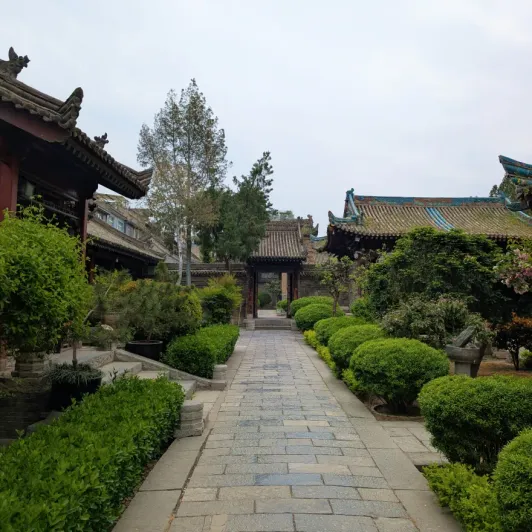
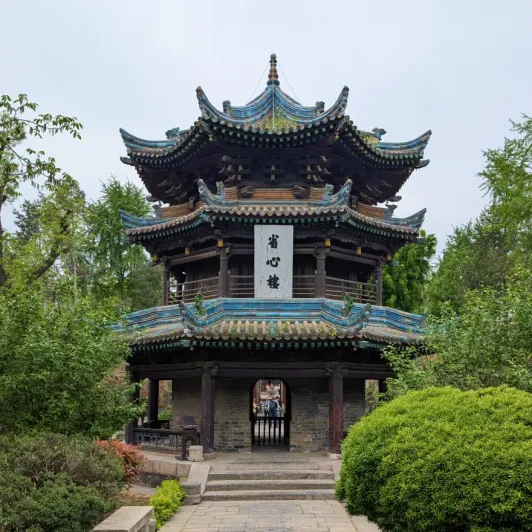
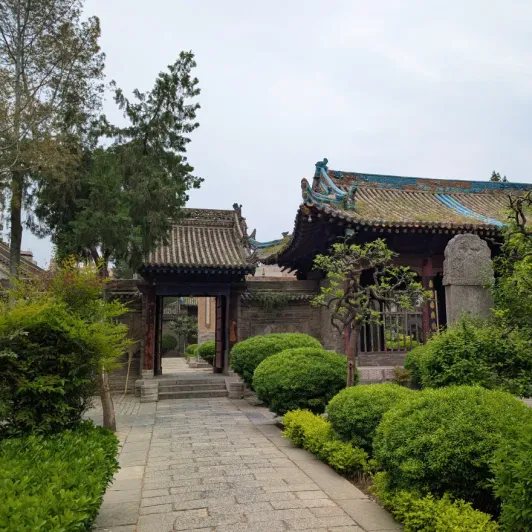
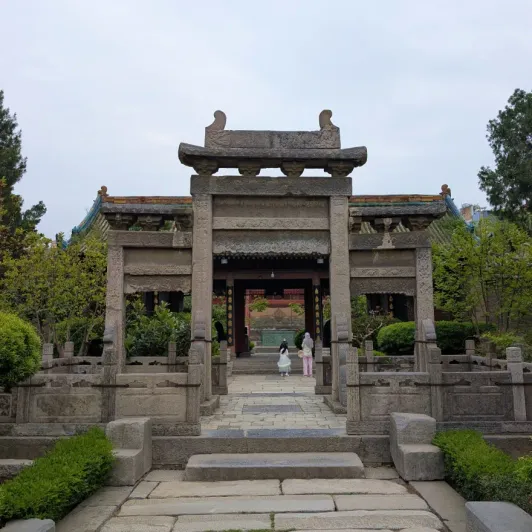
The mosque is hidden deep within the Muslim Quarter, in peace and away from the bustling trade, among secluded green courtyards.

At first glance, it appears to be just another Chinese temple, but if you look closer at the details, you can find Arabic calligraphy in the facade decoration, and the minaret is designed in the style of a traditional Chinese pagoda.

/p/#trippers
Xian Museum
西安博物院
Entertainments
A rich museum complex with rare special exhibitions.
slider-photo
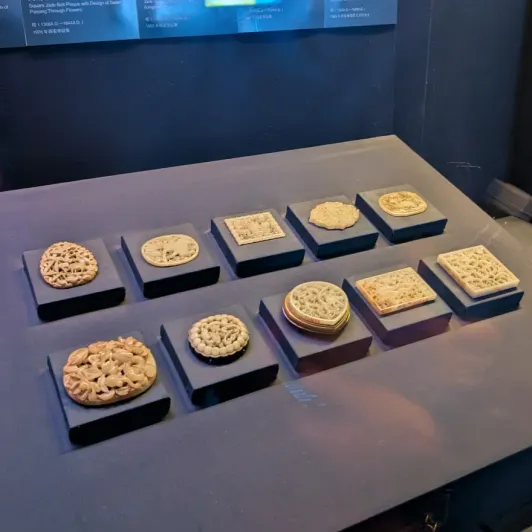
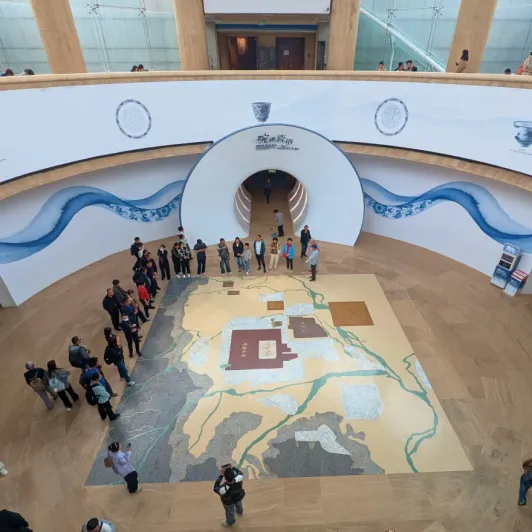
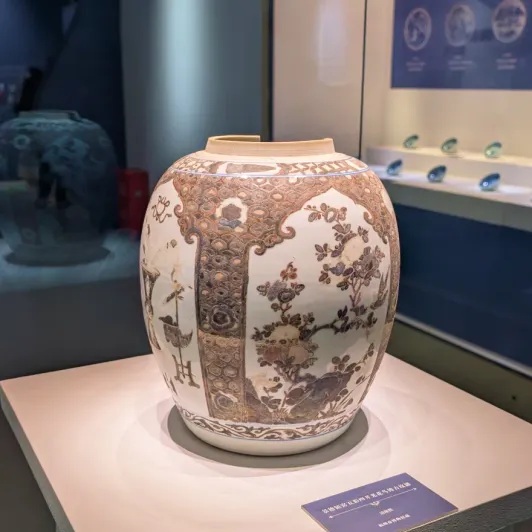
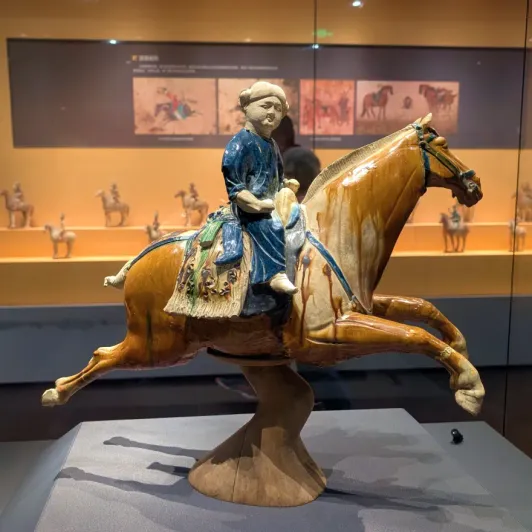
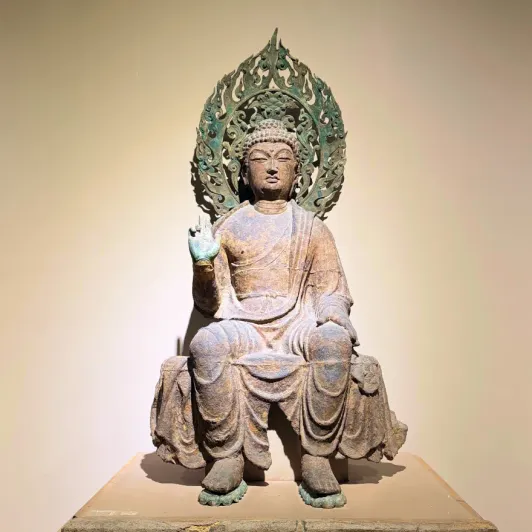
In addition to the permanent exhibition of local artifacts (ceramics, bronze, gold, jade, Buddhist statues), temporary exhibitions are held here — for example, we managed to visit an exhibition of blue-and-white porcelain raised from sunken ships of the maritime silk route.
/p/#trippers
Small Wild Goose Pagoda
小雁塔
Sights
Monument of the Tang Dynasty (8th century) and a UNESCO World Heritage Site.
slider-photo
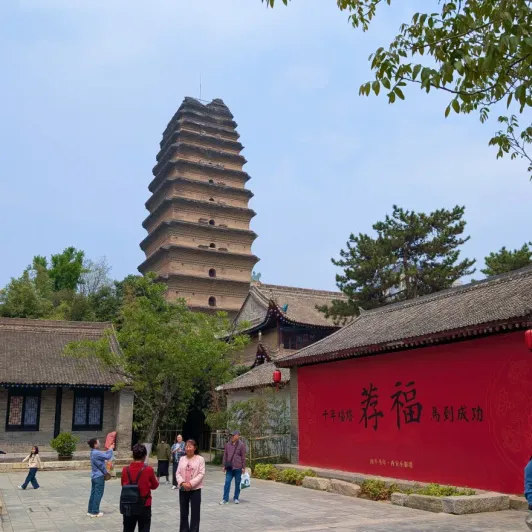
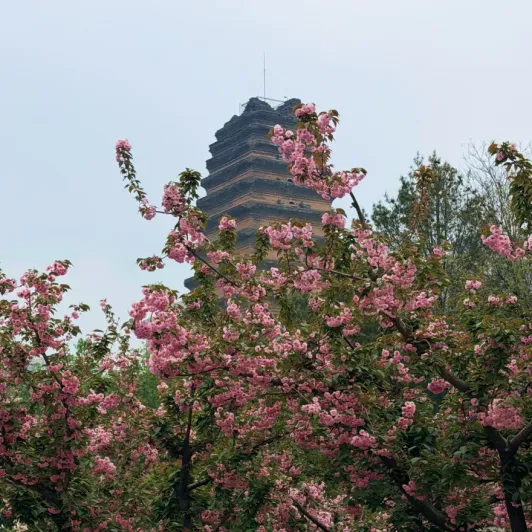
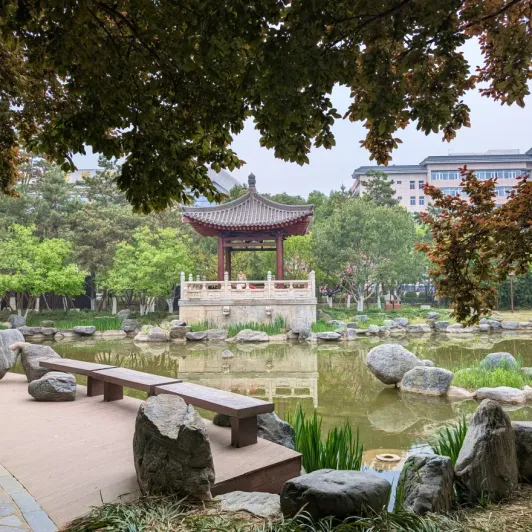
The pagoda is located in a quiet picturesque park of the Xian Museum, on the grounds of an ancient Buddhist monastery. There are usually few visitors here — everyone gradually disperses throughout the garden area. It is said that after one of the strongest earthquakes, a huge vertical crack appeared in the pagoda, which "miraculously" closed on its own during subsequent tremors.
/p/#trippers
Yongxingfang
永兴坊
Entertainments
A stylish gastronomic district with authentic Shaanxi cuisine.
slider-photo
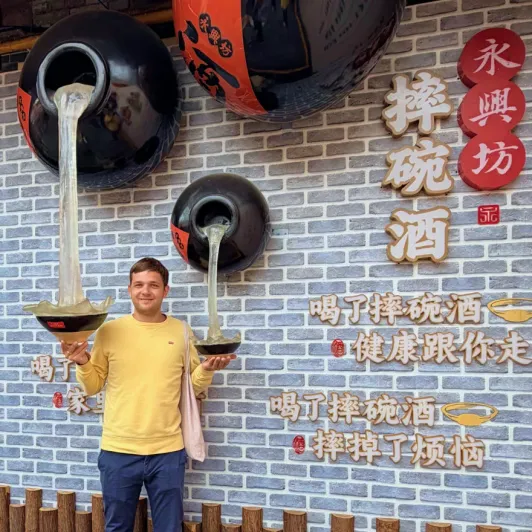
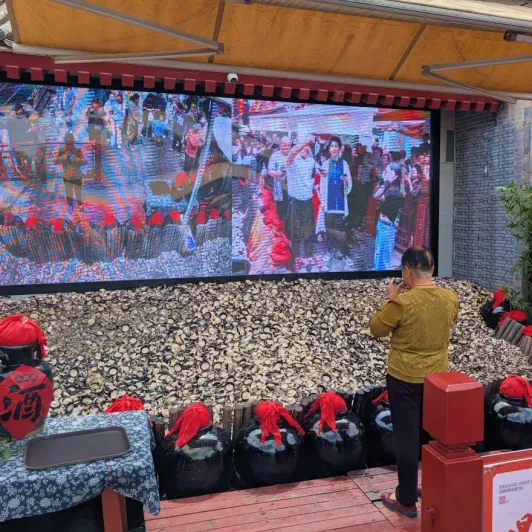
An atmospheric street with numerous snack bars serving authentic cuisine from across Shaanxi Province. Tourists are invited here to participate in a local ritual—drinking rice wine and smashing clay bowls "for good luck." A small sip of traditional wine is poured into a bowl; you must hold the bowl with both hands, make a toast or wish, drink it to the bottom, and then hurl it forcefully onto a pile of already broken cups.
/p/#trippers

Related content

Author image Chongqing Travel Guide
guide
Chongqing, China
User Trippers imageTrippers
Chongqing Travel Guide
Open
0
0.0
Author image Shenzhen Travel Guide
guide
Shenzhen, China
User Trippers imageTrippers
Shenzhen Travel Guide
Open
0
0.0
Author How to Pay in China: Installing AliPay & Making Purchases
instruction
China
User TrippersTrippers
How to Pay in China: Installing AliPay & Making Purchases
Open
0
0.0
Rate this guide
Leave a comment