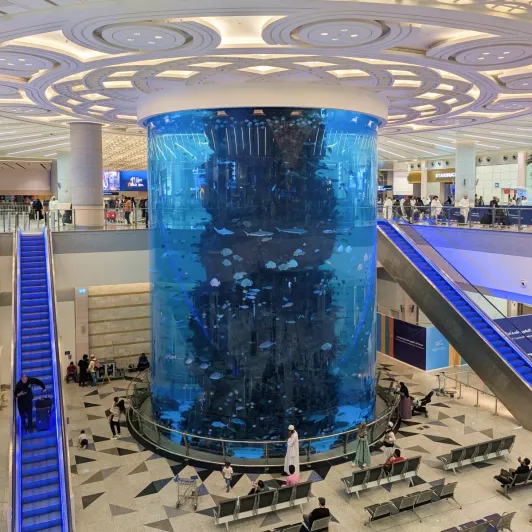
Jeddah Airport
Transport
King Abdulaziz International Airport.
Jeddah is an emerging cultural tourism destination on the Red Sea coast. While global hotel brands build isolated Red Sea Resorts with sky-high prices, Jeddah offers access to the same sea with the opportunity to immerse yourself in the authentic culture and history of Saudi Arabia. This is a city for those who want to see the real life and traditions of the Kingdom, not just relax on the beach.
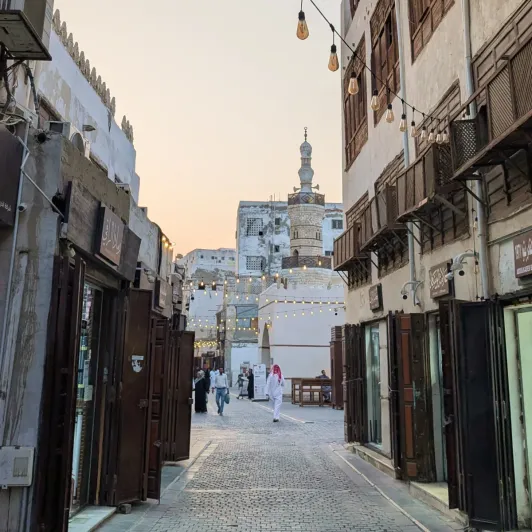
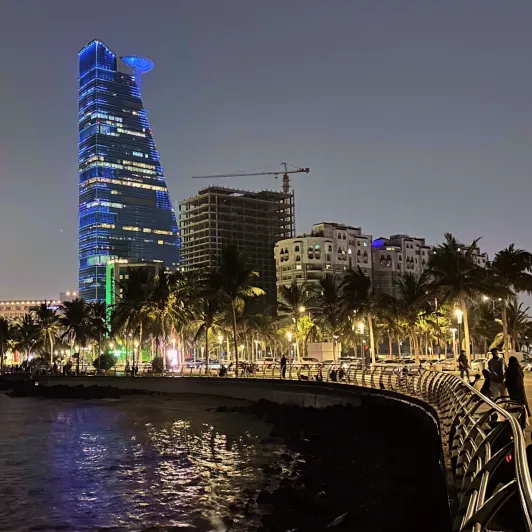
To truly get to know Jeddah, make sure not to miss the historic Al-Balad district, a UNESCO World Heritage Site, the modern coastal area with skyscrapers and a spacious waterfront promenade, and the unique underwater world of the Red Sea.
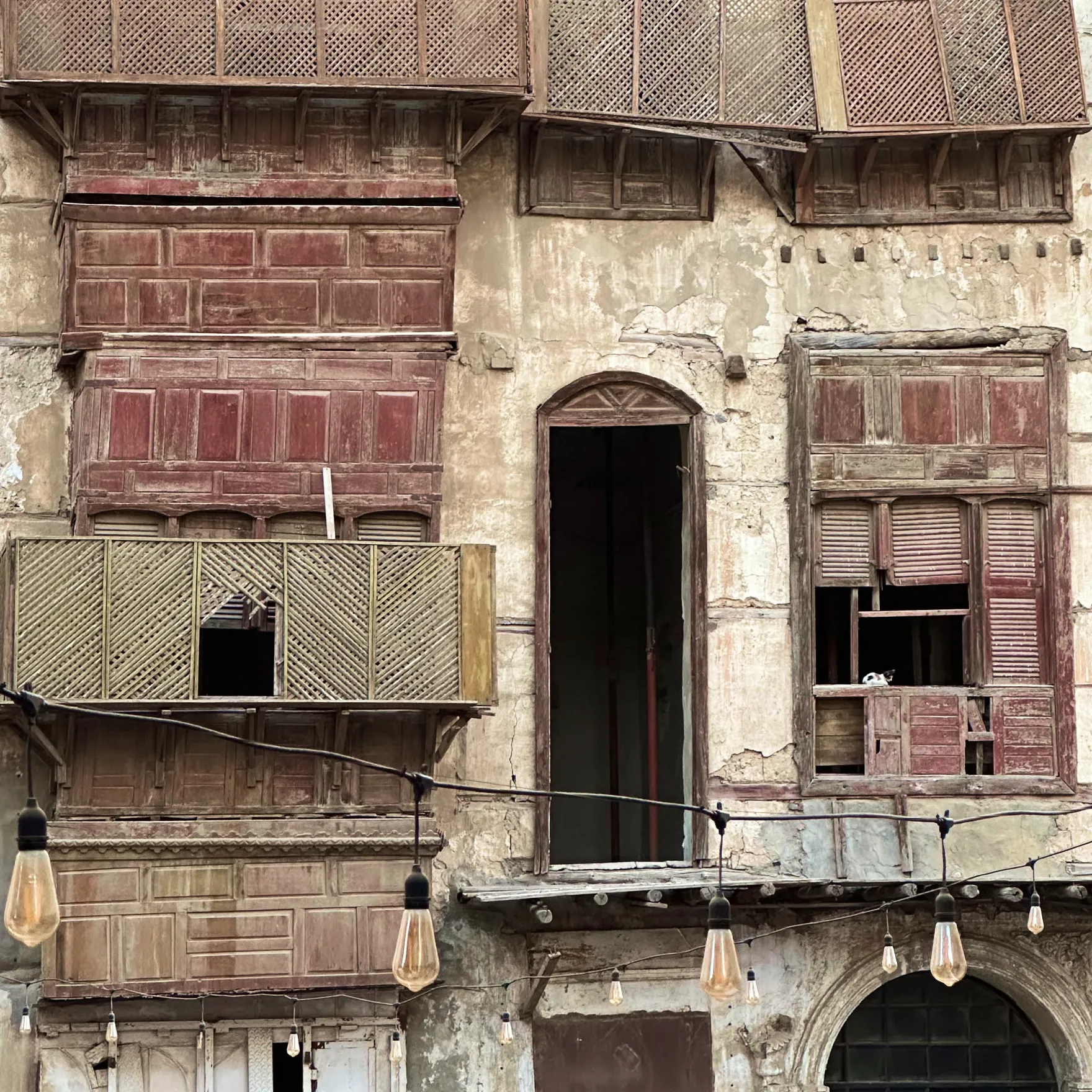
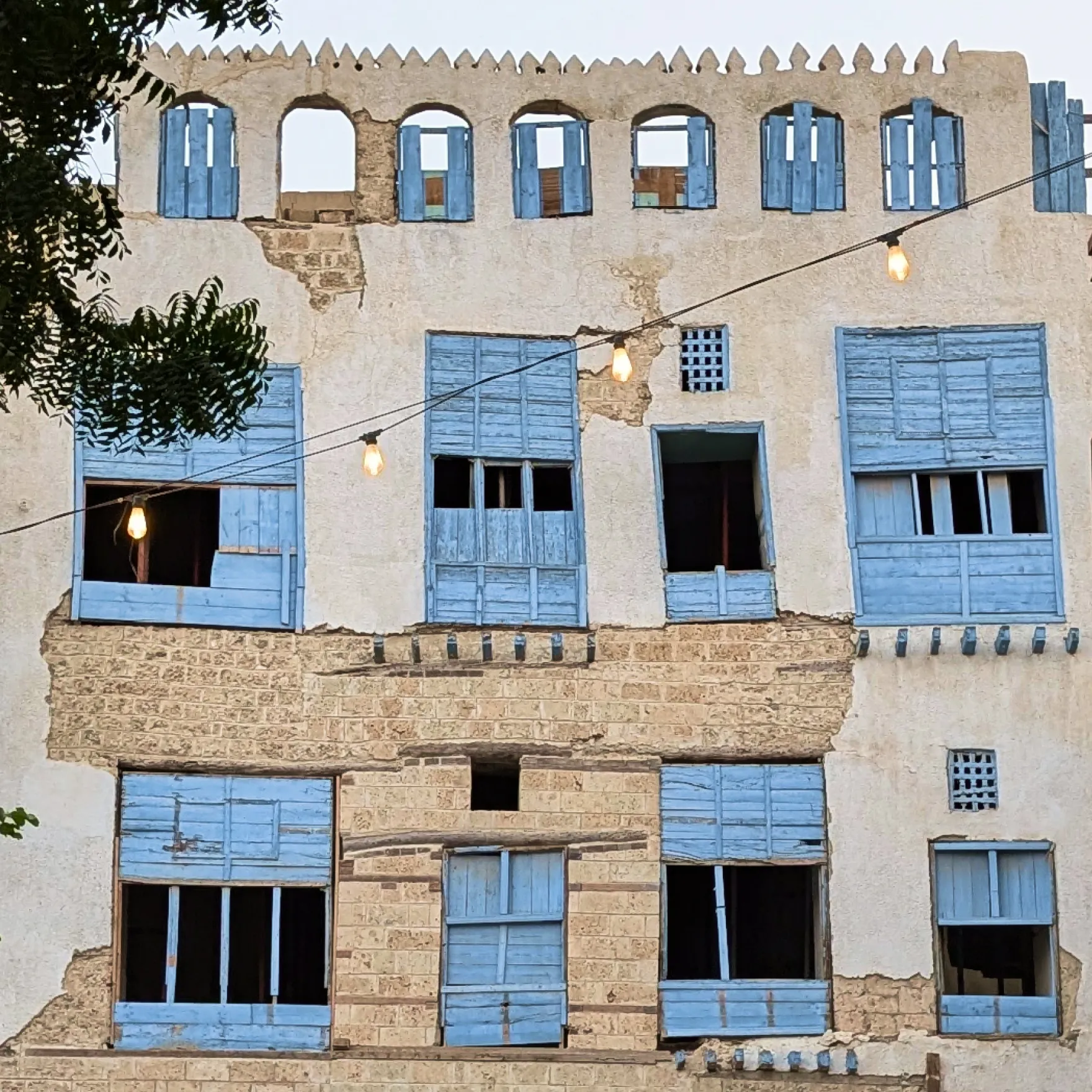
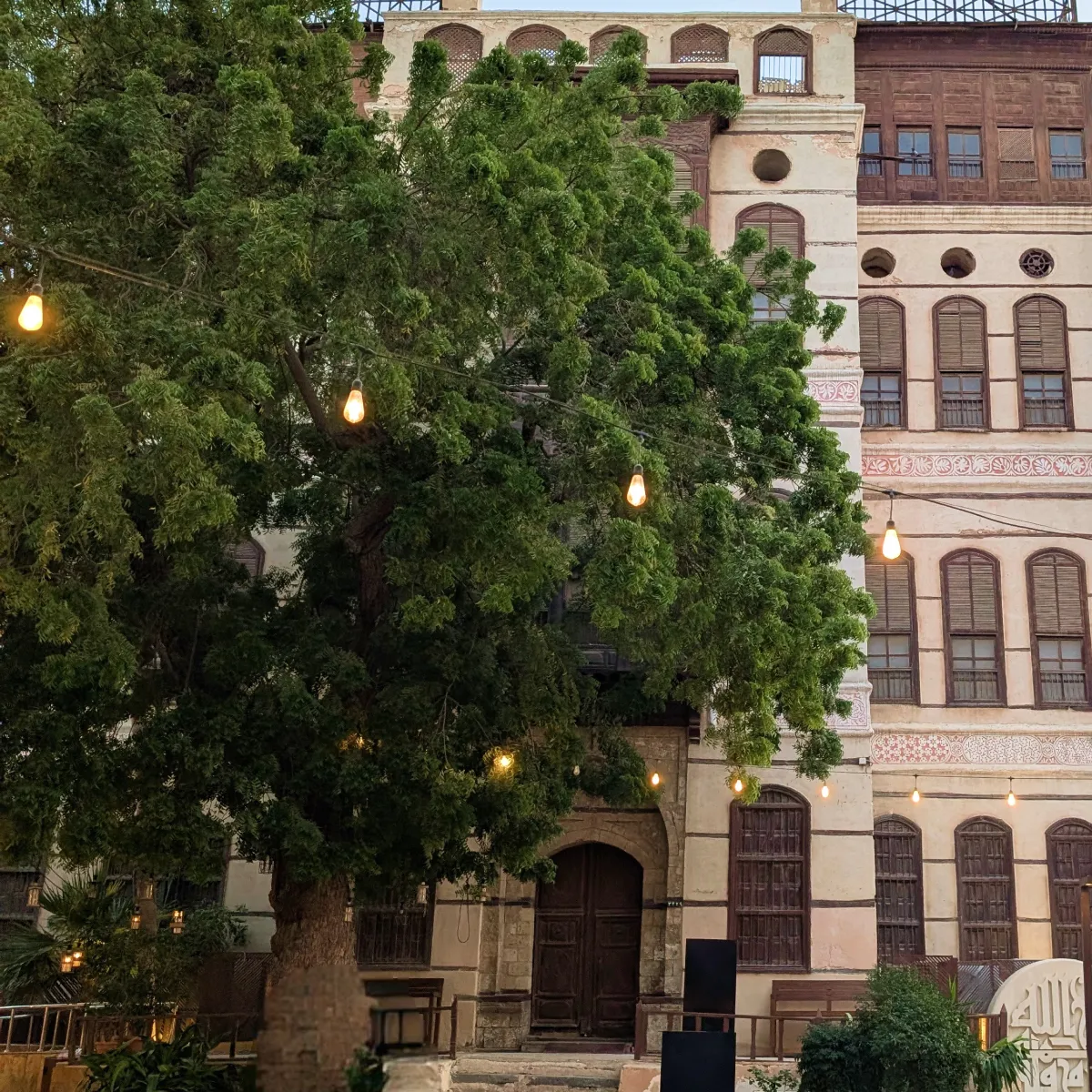
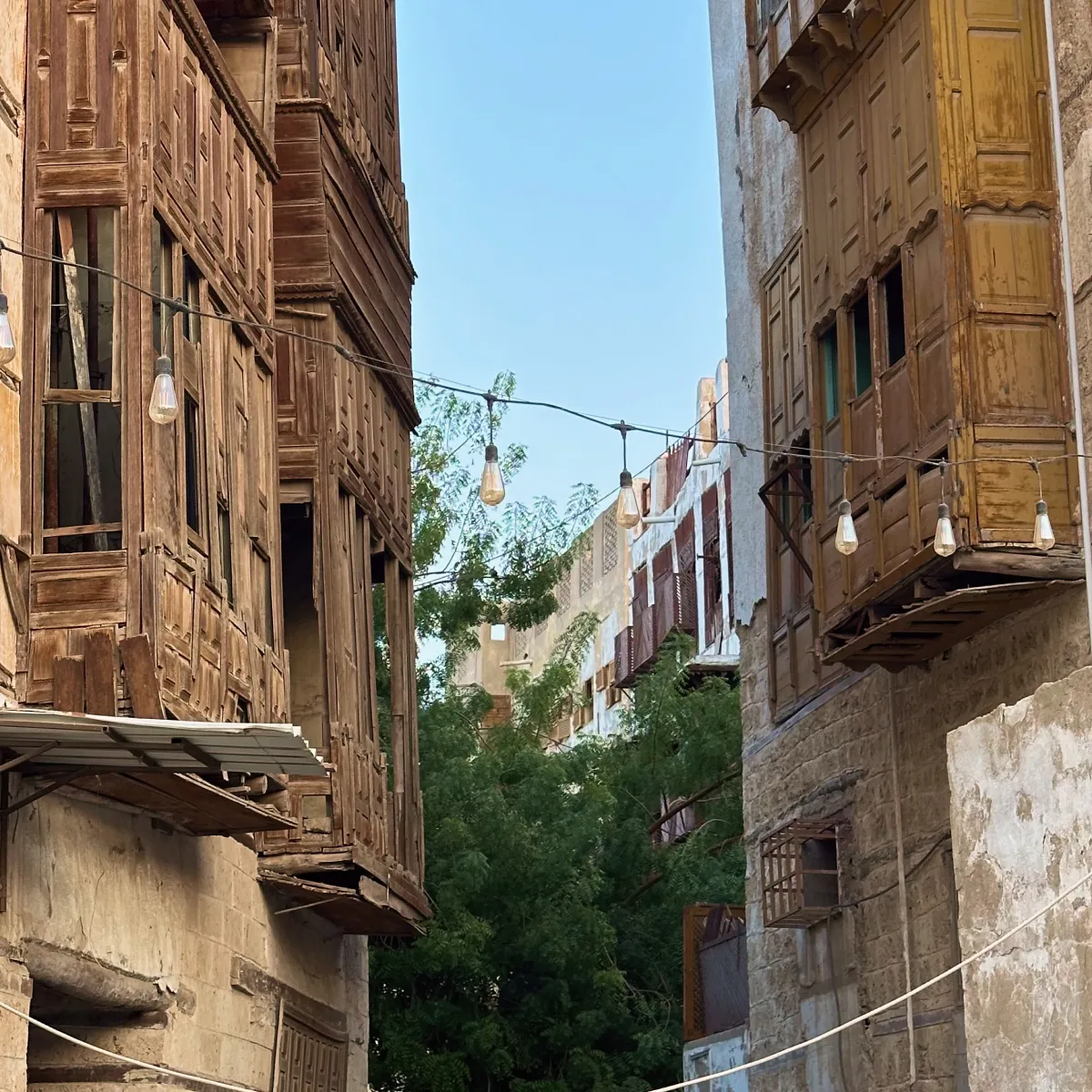
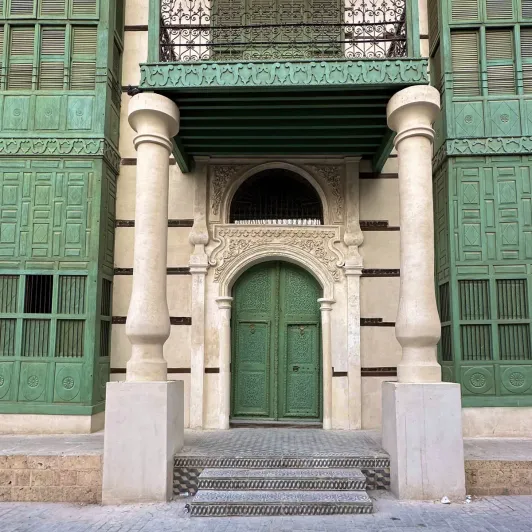
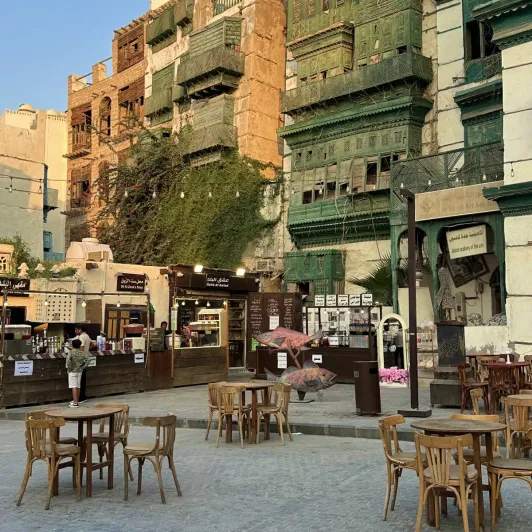
Jeddah has for centuries been a key transit point for pilgrims heading to Mecca. This is why Al-Balad grew remarkably quickly from a modest fishing village into the cultural heart of Saudi Arabia.
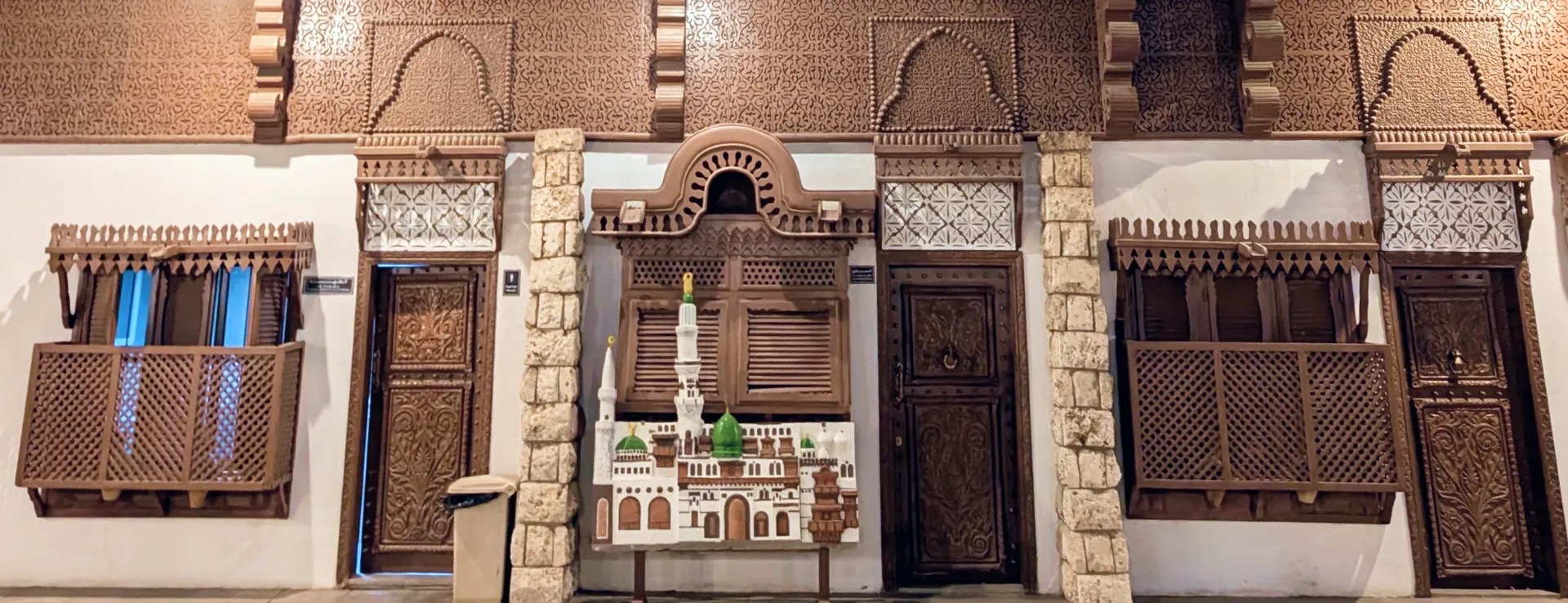
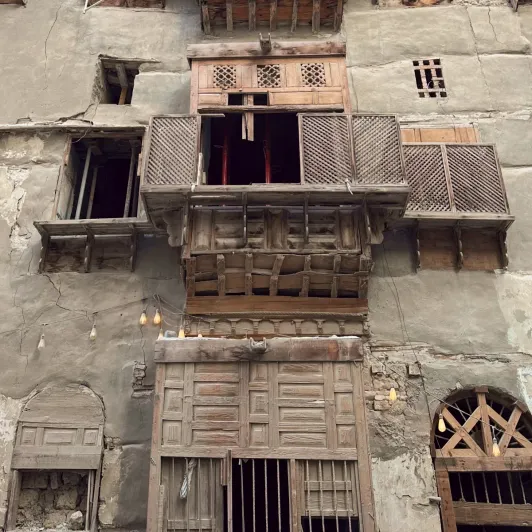
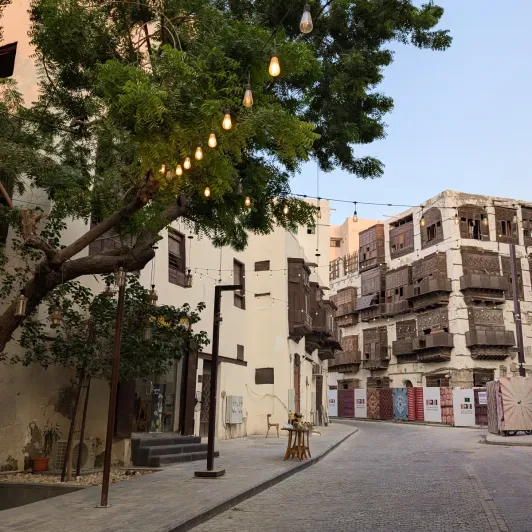
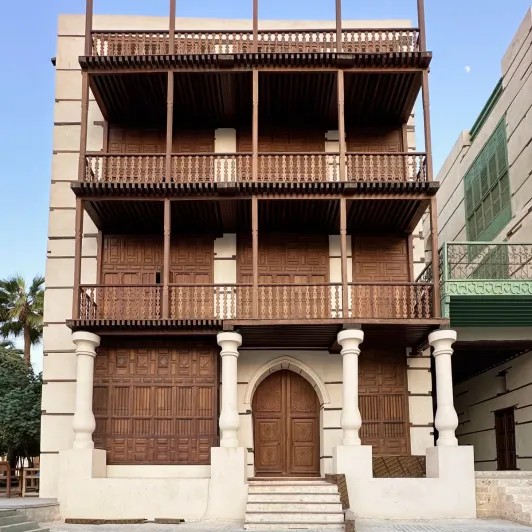
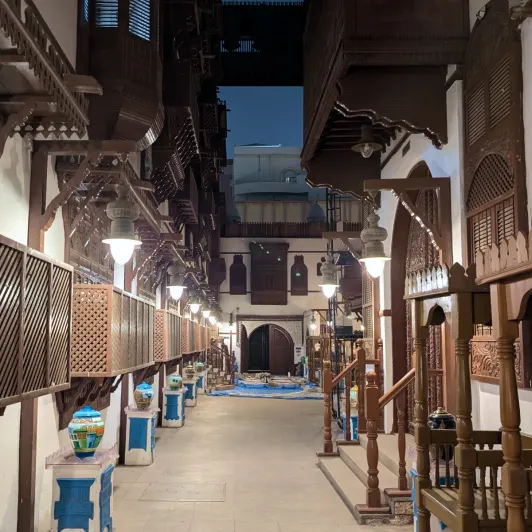
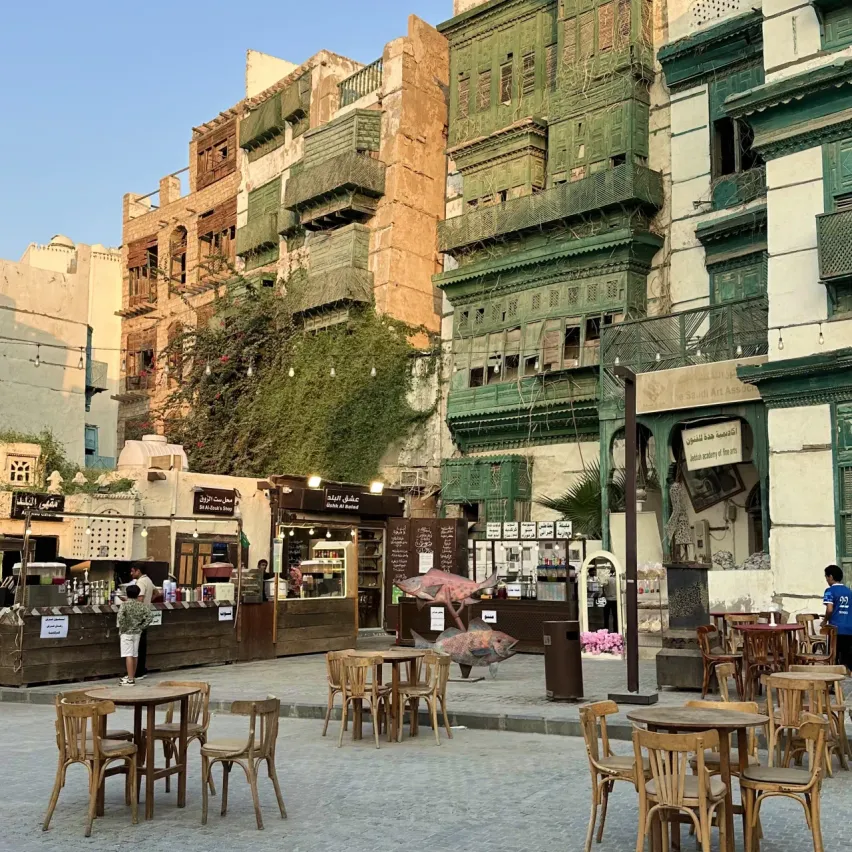
The houses of Al-Balad are like living history: intricate windows, small balconies, and unique ornaments. We promise you won't find two houses with the same façade!
Al-Balad is currently being actively restored to attract even more tourists from around the world.

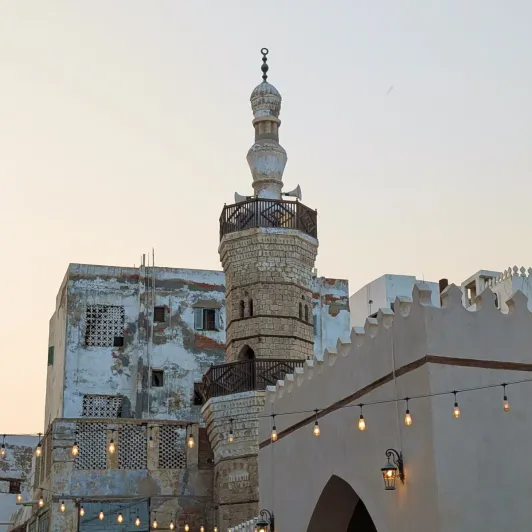
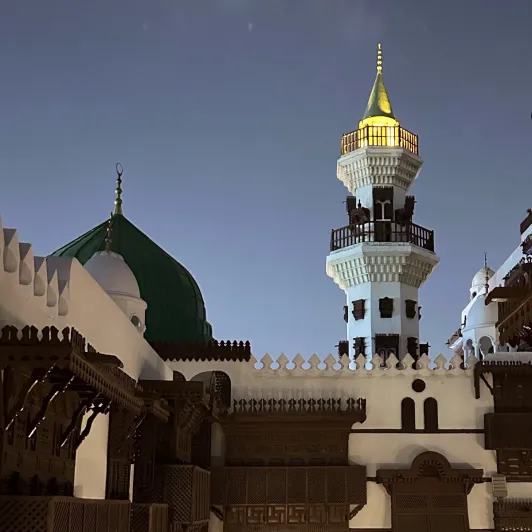
The mosque's minaret is considered one of the oldest in the world and has been preserved since its construction. It embodies the legacy of Islamic architecture, serving as a reminder of the centuries-long history of the site. The mosque itself is being carefully restored and remains active to this day. Entry is open to everyone, regardless of religion.
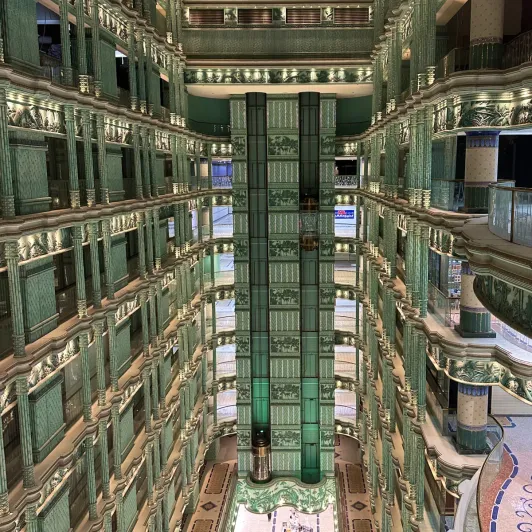
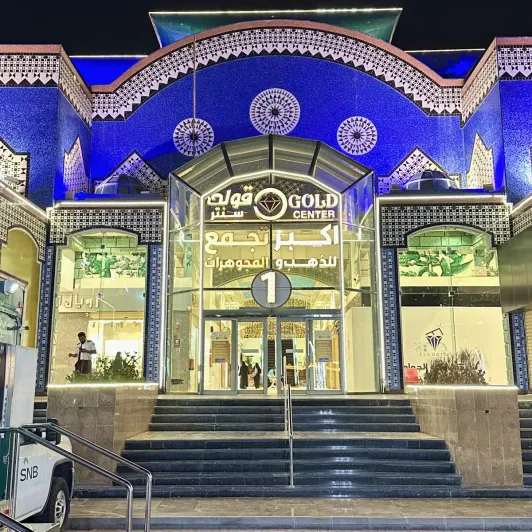
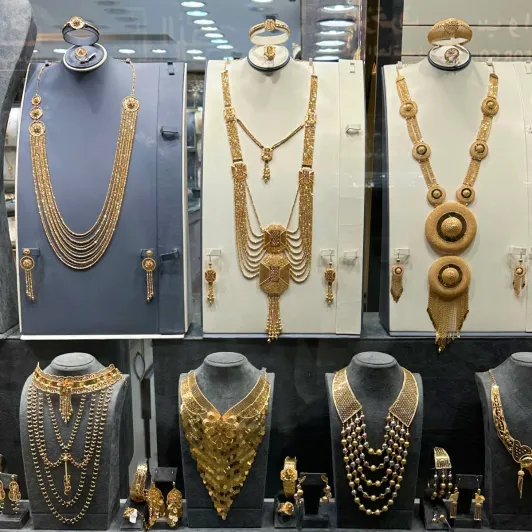
This shopping center is more like a museum. The entire first floor is dedicated to gold jewelry shops. These are not the usual jewelry pieces we are accustomed to, but true works of art: monumental gold necklaces, decorative belts, lavish crowns, heavy bracelets, and more.
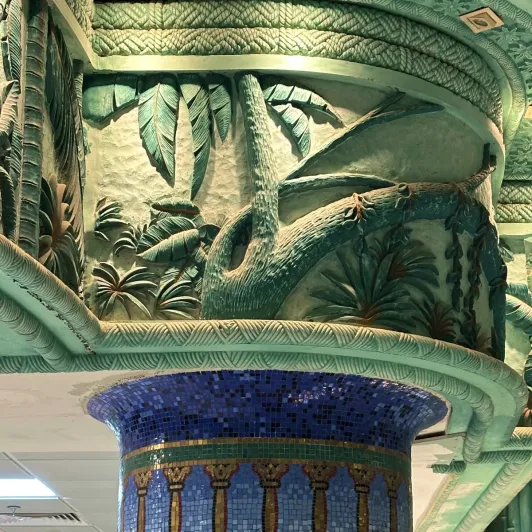
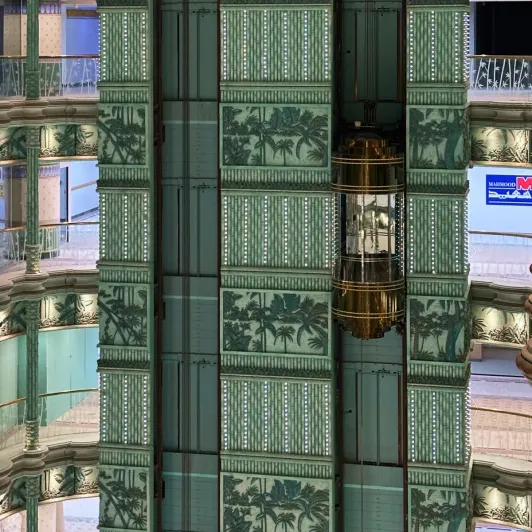
The other floors are mostly empty, but we recommend taking the panoramic elevator to the top level to admire the exquisite decorative stucco work.
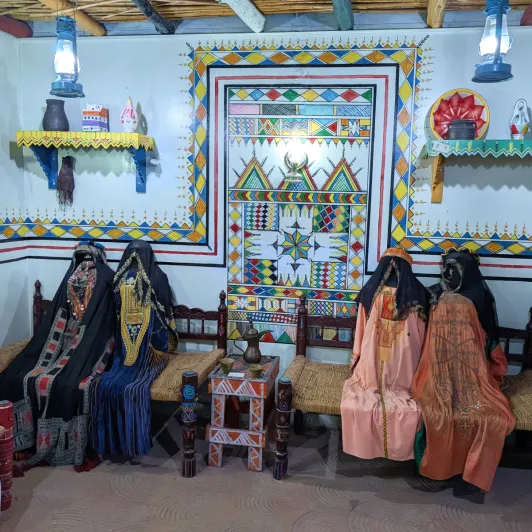
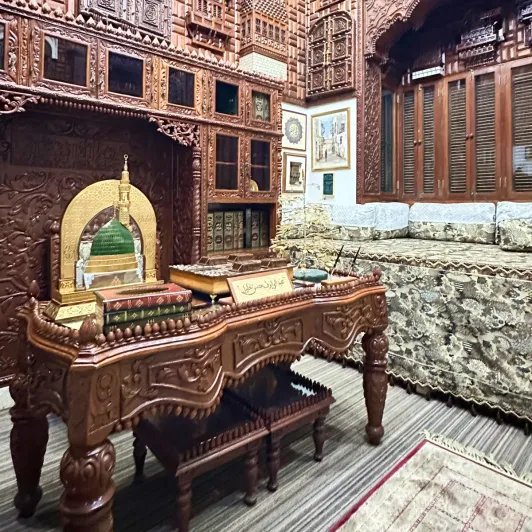
This is perhaps the most unusual museum we have visited. It is based on the personal collection of a local patron of the arts who was passionately interested in the history of his homeland. One of the floors is particularly fascinating: it is dedicated to Arab culture and includes ancient tools, jewelry, costumes, old ceramics, furniture, and much more.
On the other floors, unexpected exhibits from the personal archive await: family photos, children's toys, and even household items like wires, sockets, and pipes. Something you don't see every day!
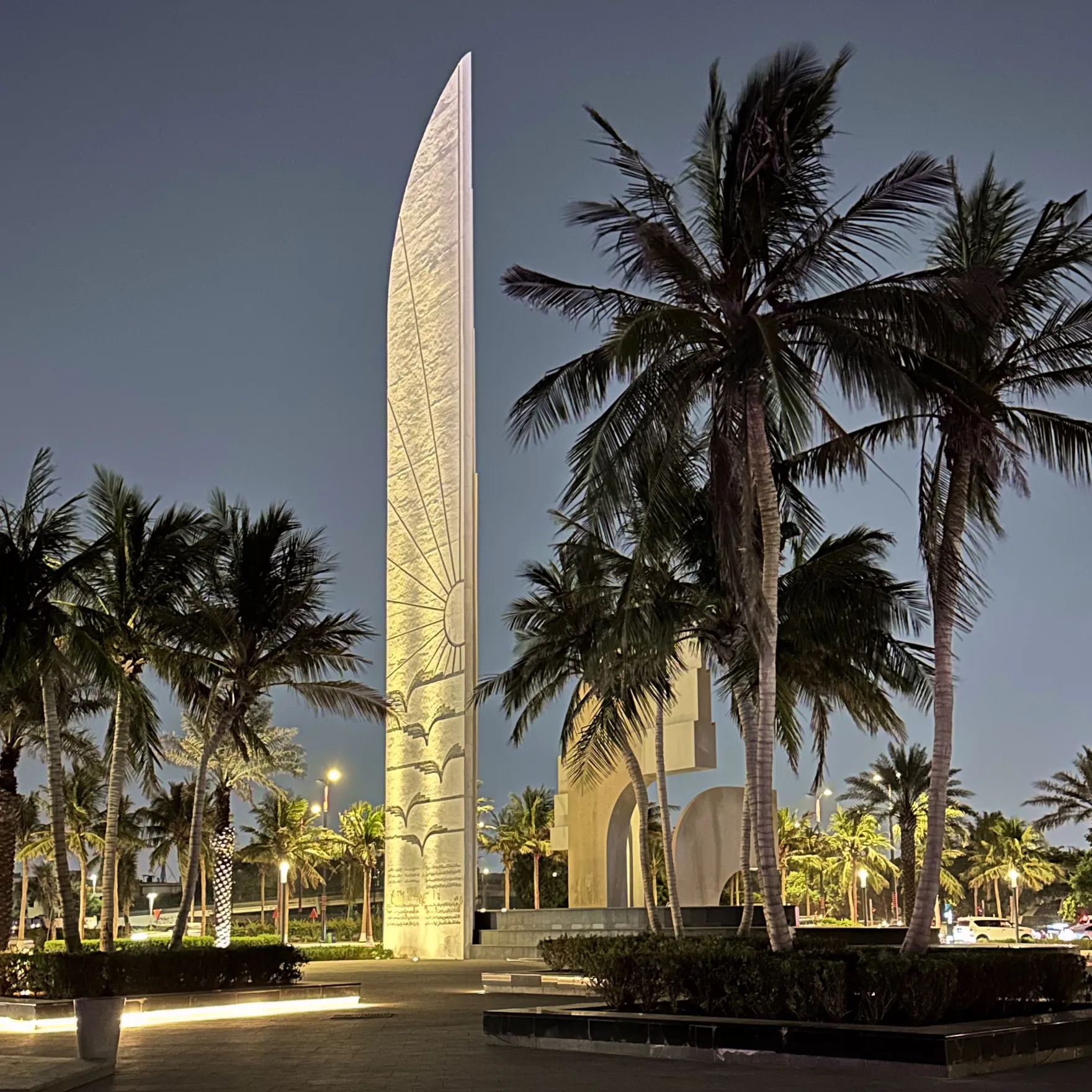
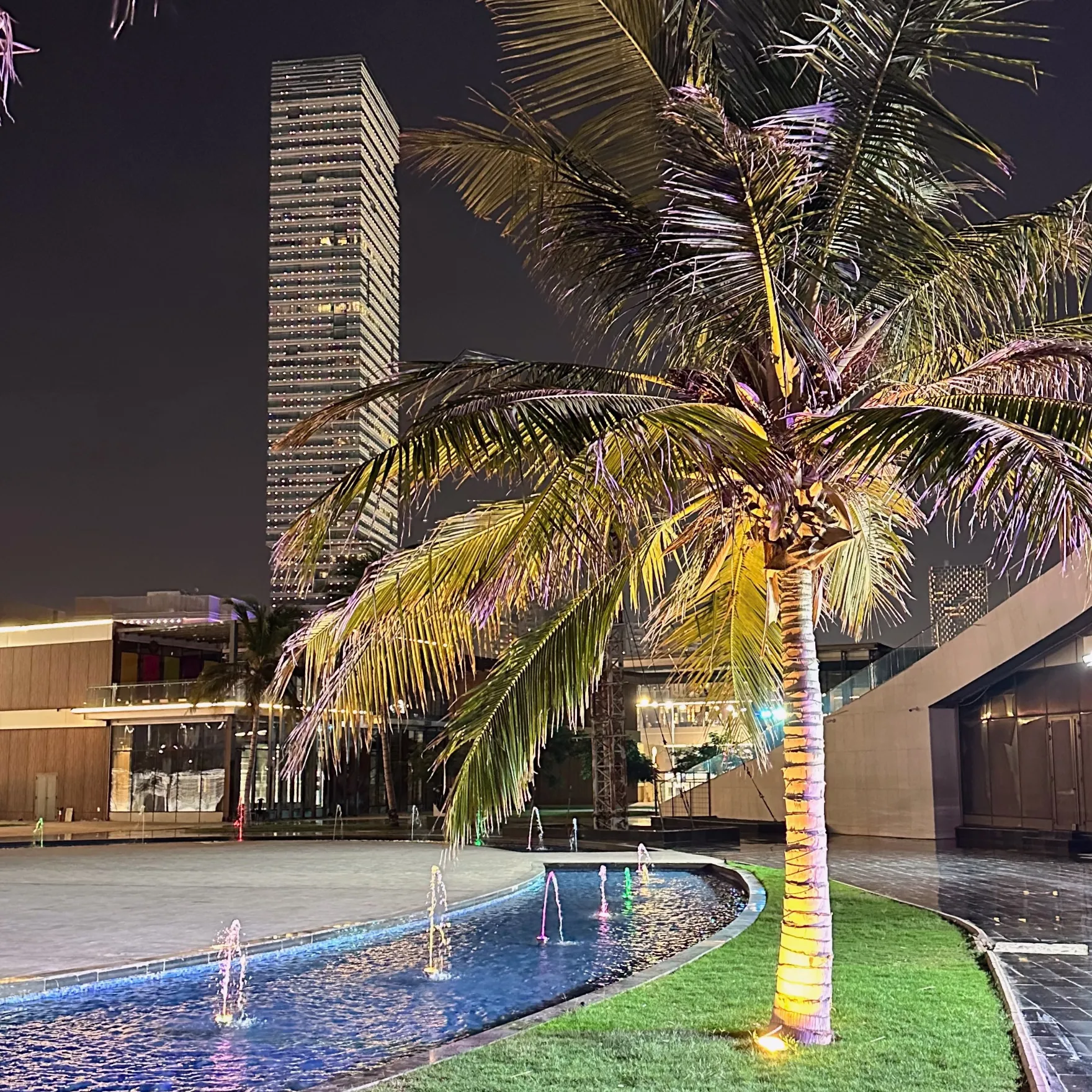
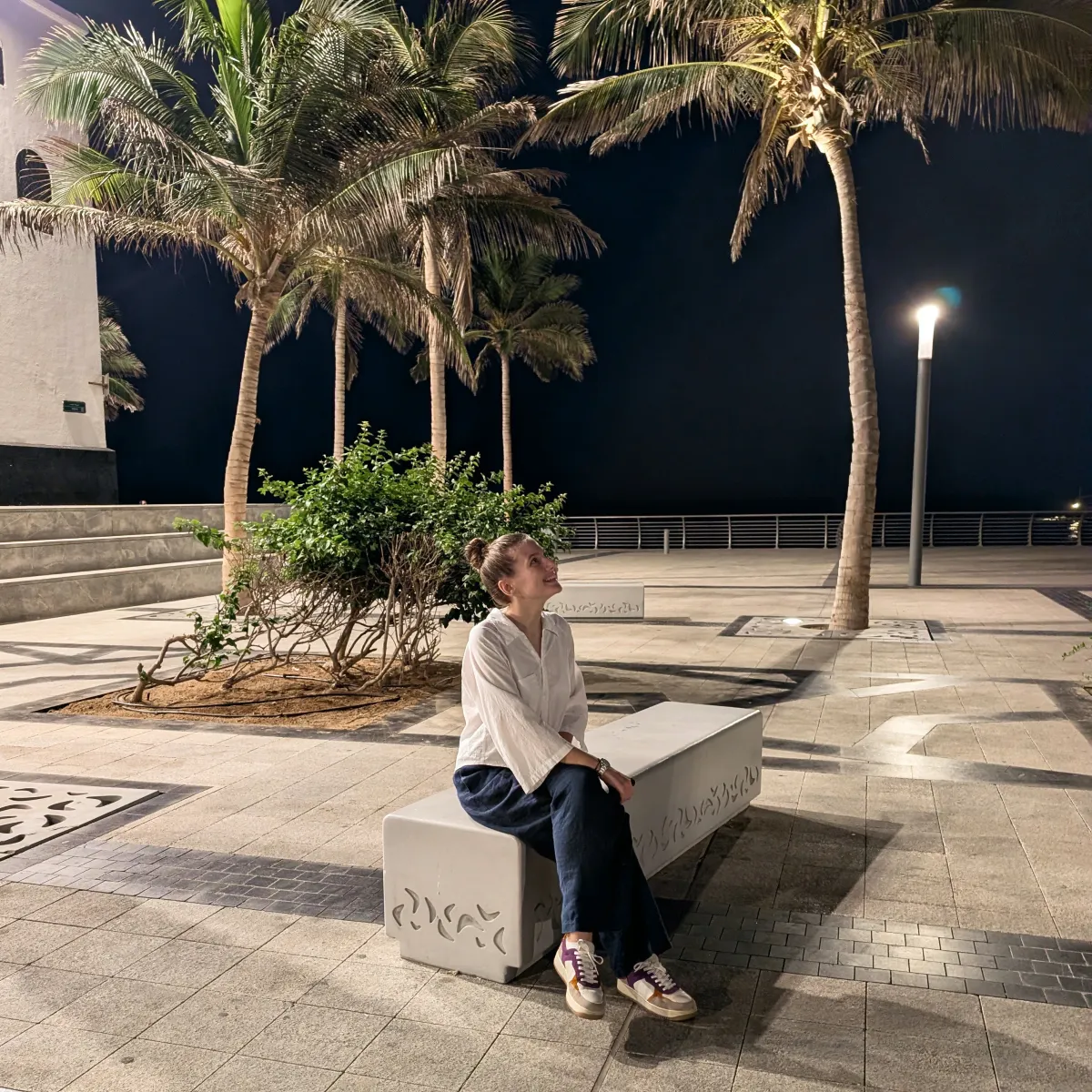
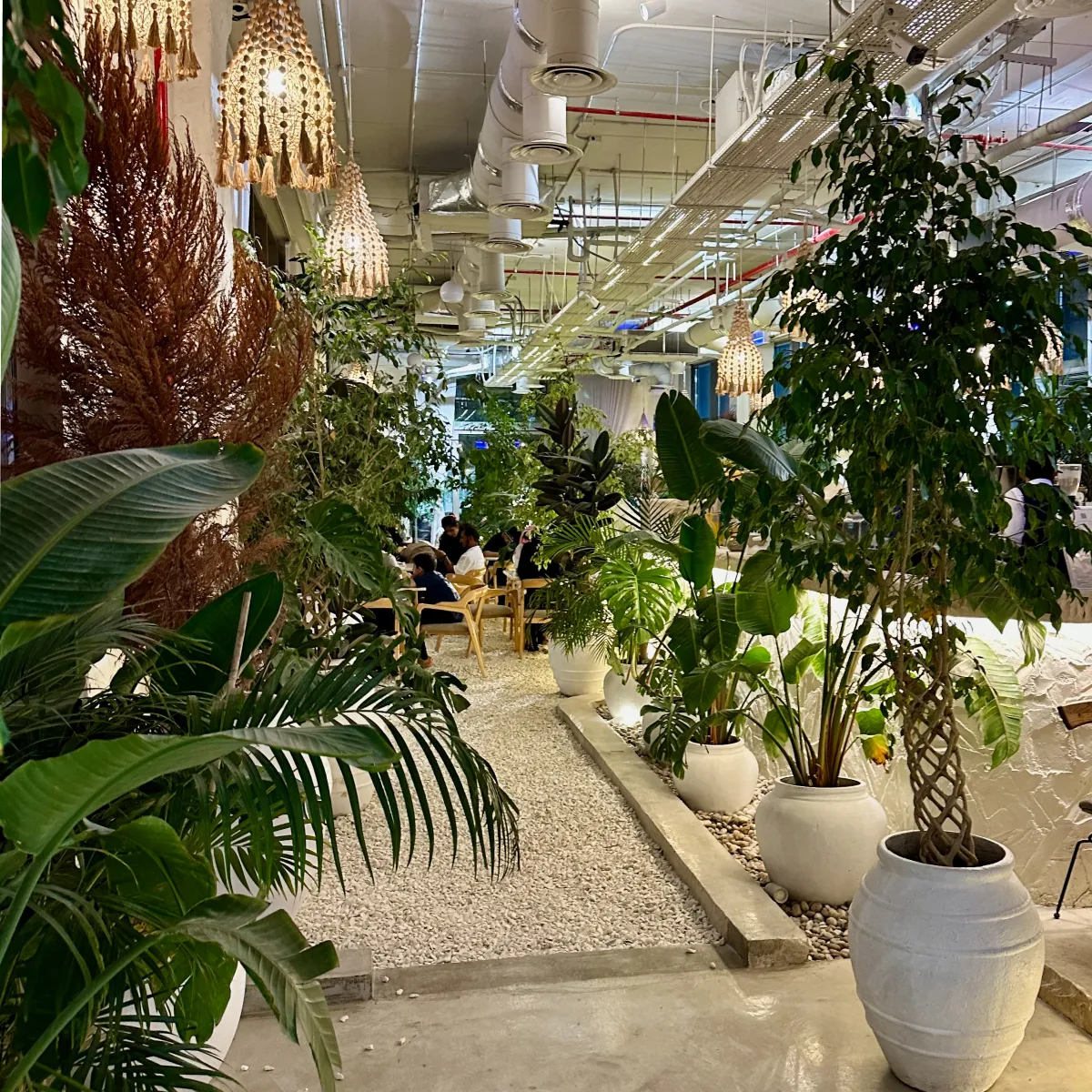
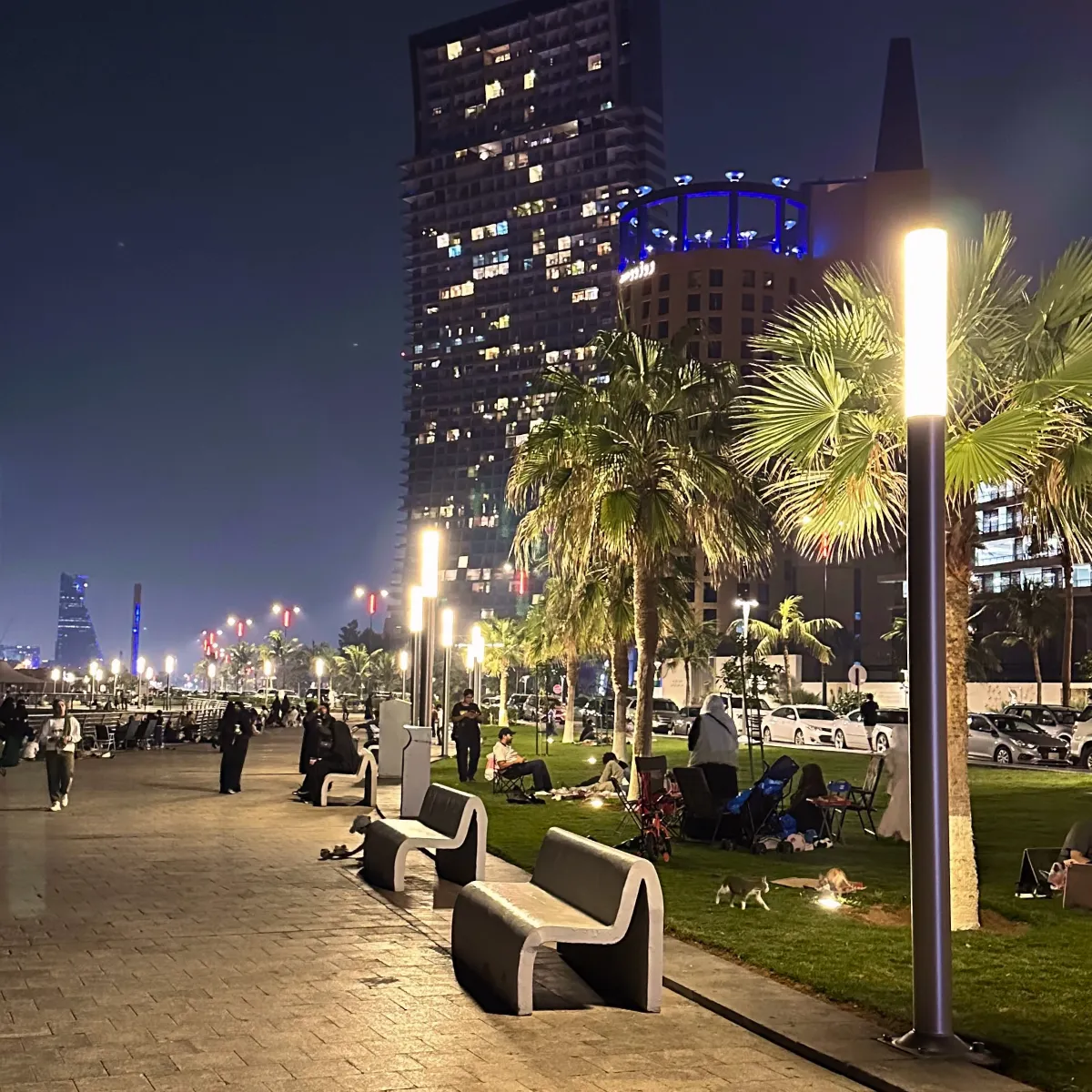
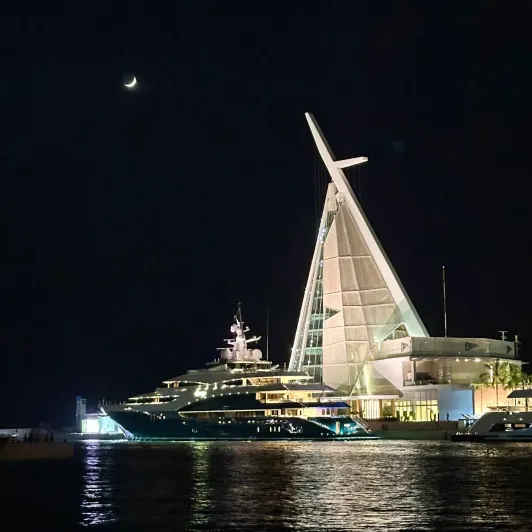
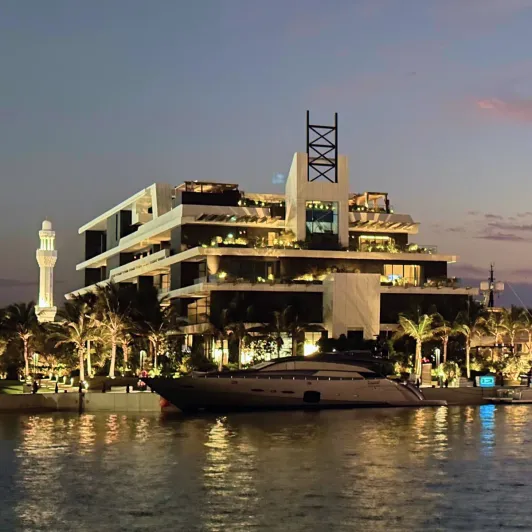
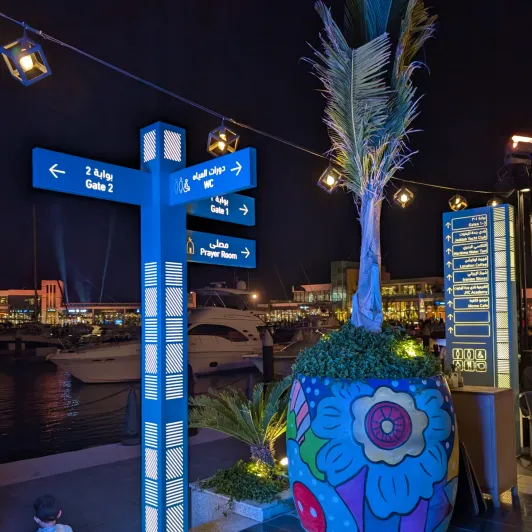
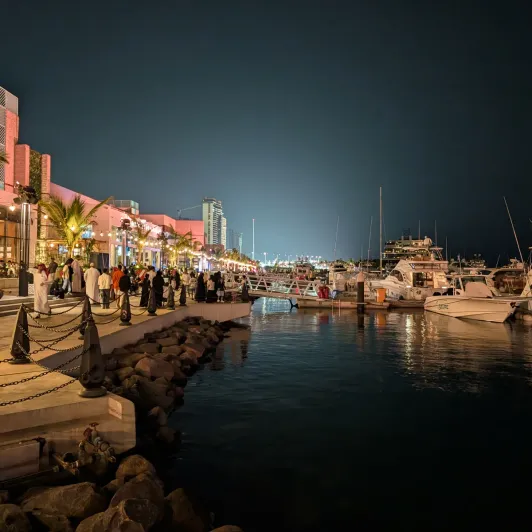
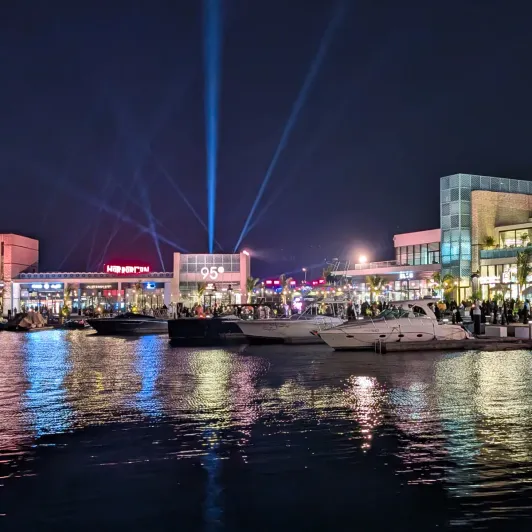
This is a luxurious waterfront promenade surrounded by yachts, reminiscent of European resorts. Along the entire boulevard there are exquisite restaurants offering dishes from all over the world. Prices here are above average, but the magical evening atmosphere filled with family warmth and the friendliness of the locals is worth every riyal.
After sunset, Saudi families come here to relax, and tourists feel like welcome guests. Don't be shy — join in!
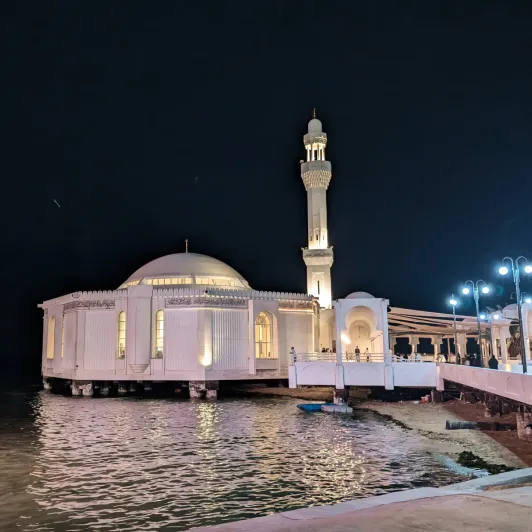
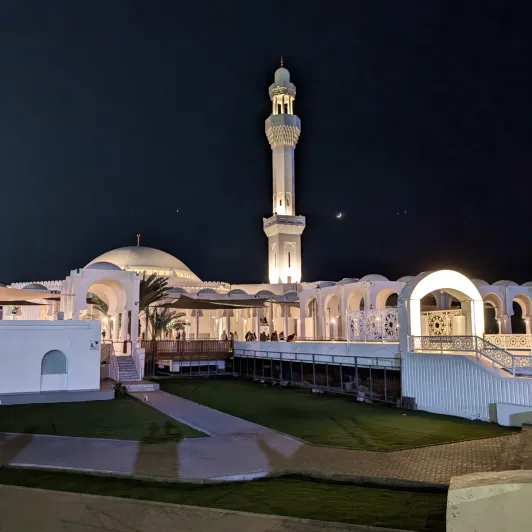
It is said that Al-Rahmah Mosque was the first mosque in the world built over water. That is why it is called «floating»: at high tide, the piles are completely submerged, and the white building appears to hover over the surface of the Red Sea.
Since Jeddah is the «gateway» to the holy cities of Mecca and Medina, the mosque has become an important stop for pilgrims performing Hajj and Umrah — a place to find peace before the sacred journey.
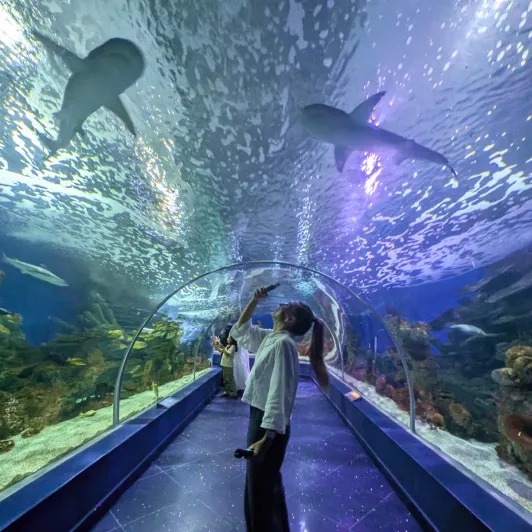
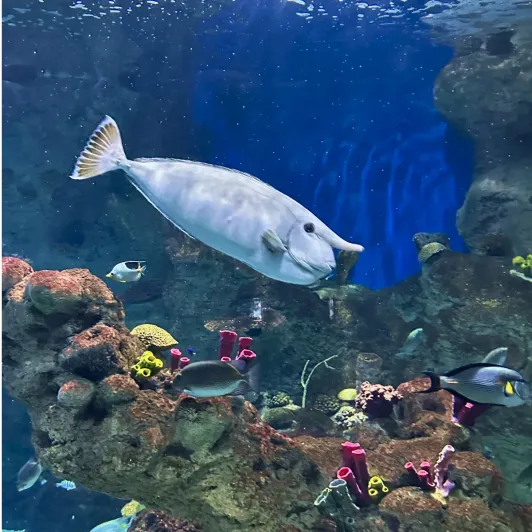
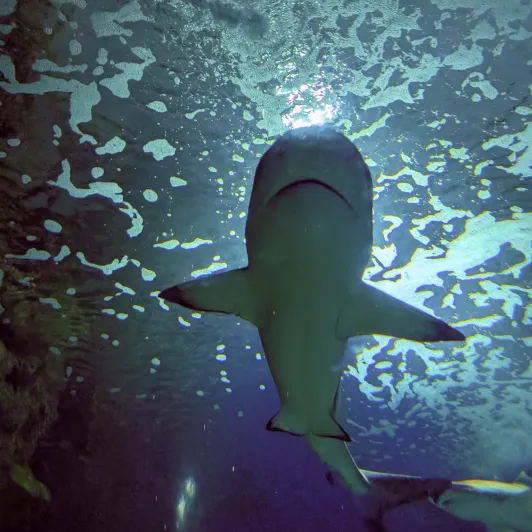
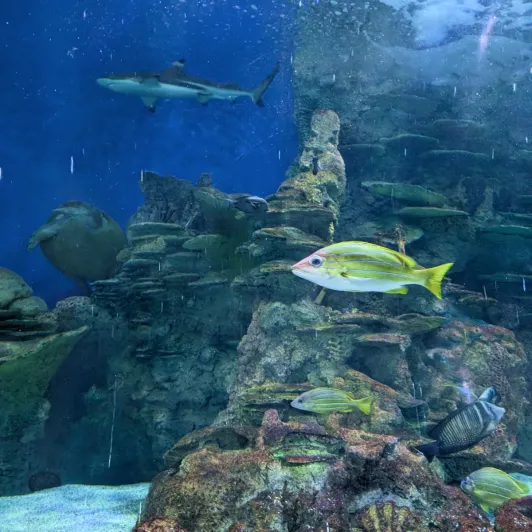
It's great to come here at the very beginning of your trip to give yourself a «briefing» before beach activities or diving. You will be able to get a close look at all the marine life and learn which creatures are best left untouched underwater.
The complex has excellent panoramic cafés with views of the coastline. You can time your visit to watch the sunset from the terrace.
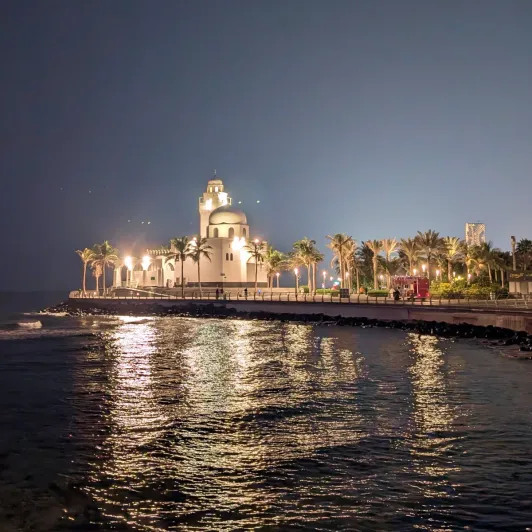
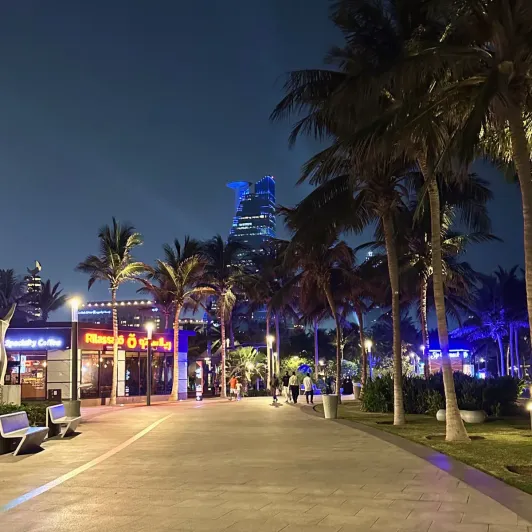
This is a large-scale project that has given Jeddah a vibrant hub for both locals and tourists. Essentially, the pedestrian promenade runs along the entire coastline, from the upscale yacht club to the Fakieh Aquarium. The space is thoughtfully zoned for pedestrians, runners, and cyclists, and is very generously landscaped.
During the day it's almost empty due to the heat, but at night the city comes alive. Local families gather for picnics and tourists fill the trendy coffee shops.
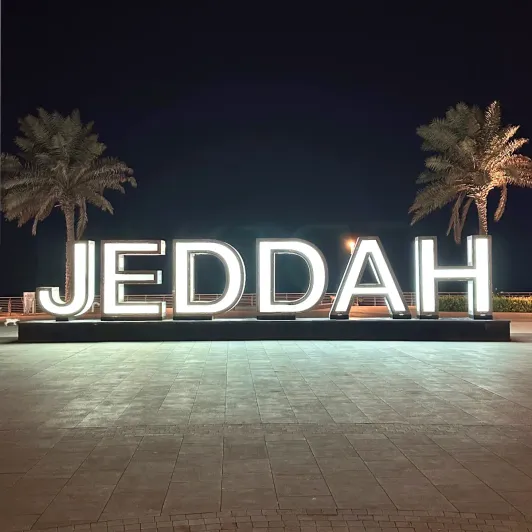
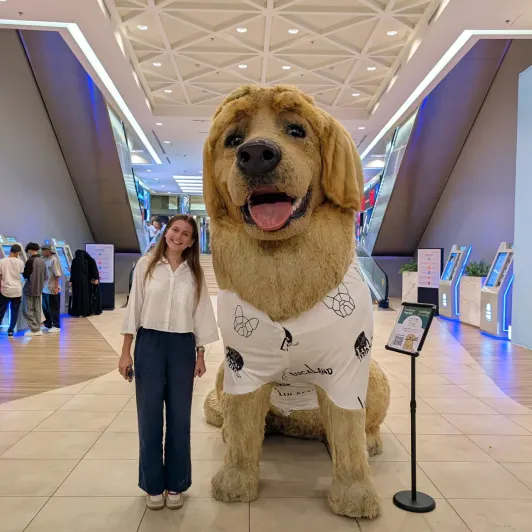
Admit it — many people take photos with city landmarks like this. So we'll leave the exact location here just in case.
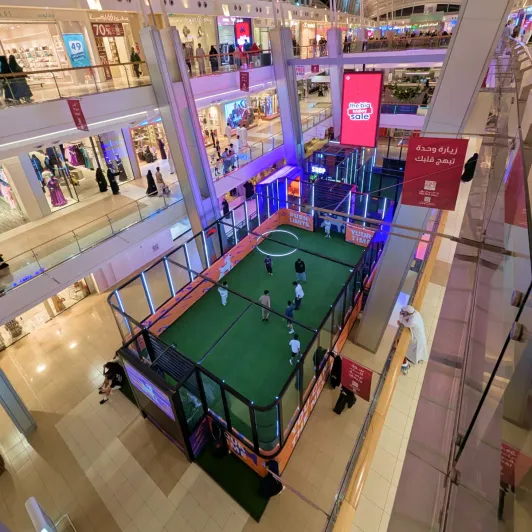
Saudis have turned air-conditioned leisure into a full-blown culture: instead of ordinary shopping centers, they build enormous multifunctional spaces with blooming gardens, ice rinks, play areas, and entire quarters styled like old European streets or oriental bazaars.
Locals typically spend hours chatting over coffee, strolling along cooled promenades, and indulging in late-night shopping, as most venues stay open until two or three in the morning.
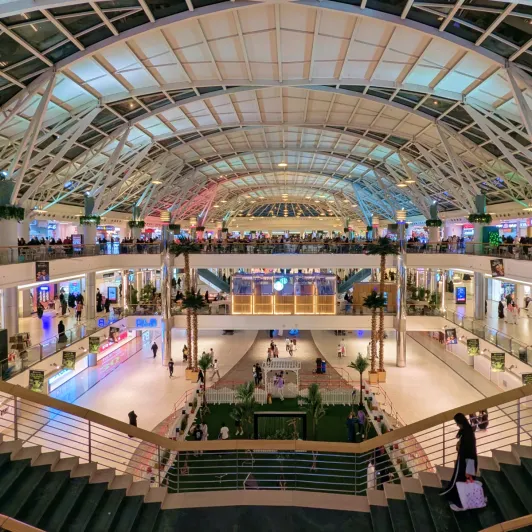
All the world's brands are gathered here, from mass-market to luxury. Inside there are powerful air-conditioners, a huge food court, a cinema, and the Danube hypermarket, where you can stock up on edible souvenirs (dates, coffee, spices).
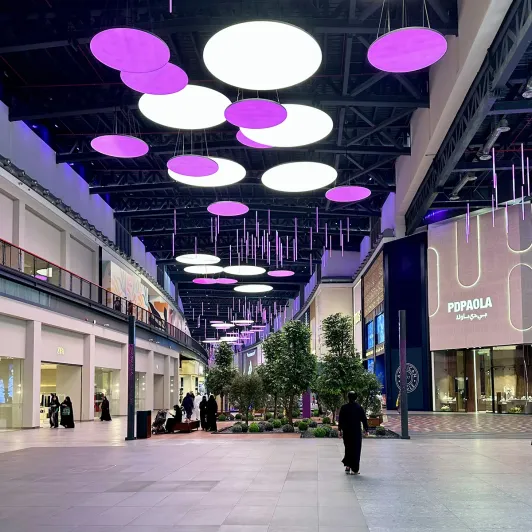
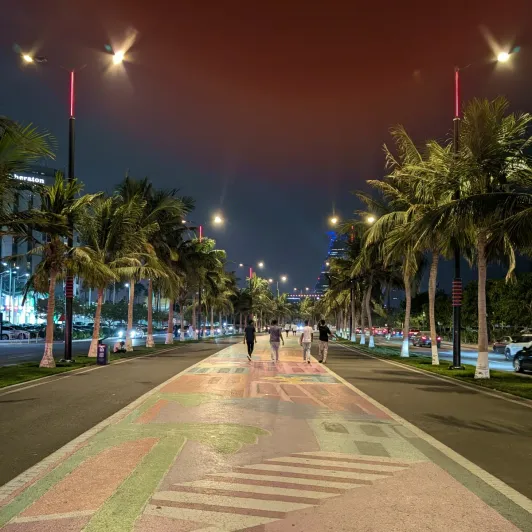
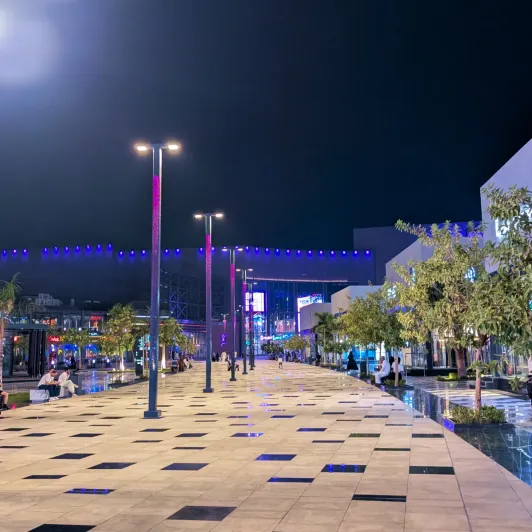
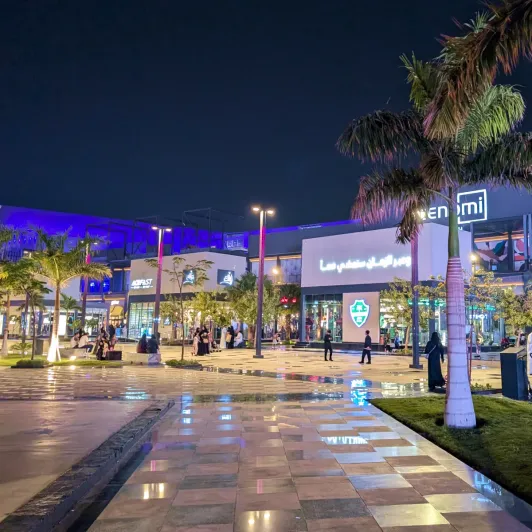
This is not a classic enclosed mall but a stylish open-air pedestrian boulevard. They say the air-conditioning system here is specially designed so that guests don't feel the heat even outside. The space is filled with concept restaurants, trendy coffee shops, and brand boutiques.
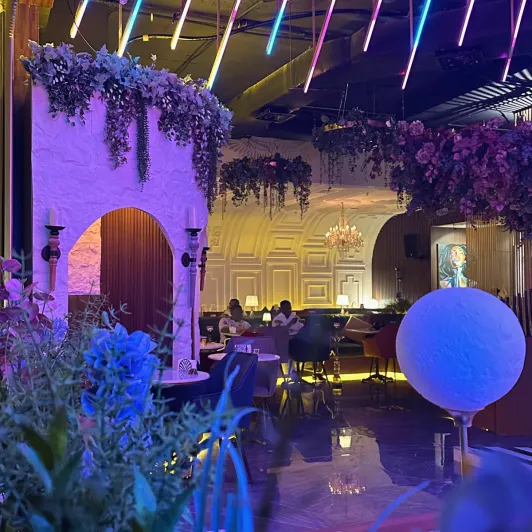
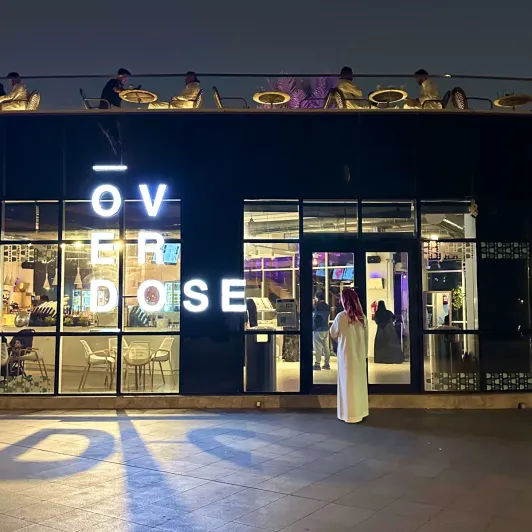
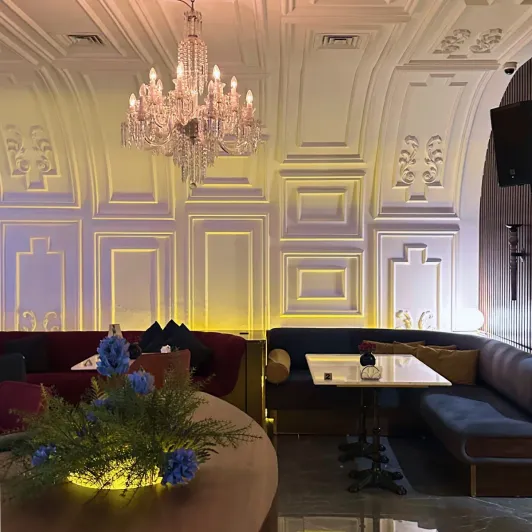
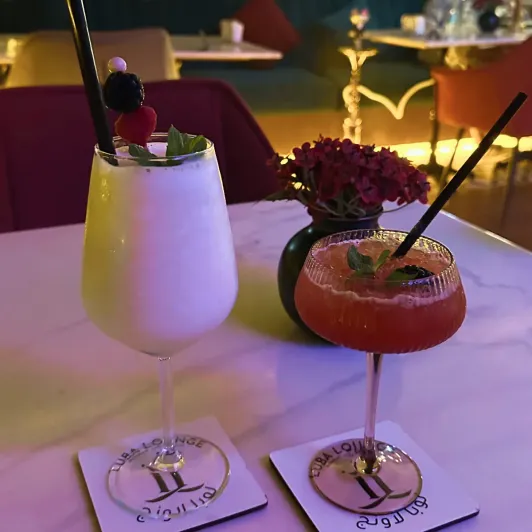
In Saudi Arabia, there is a passion for lounge culture and beautiful café-bars. A reminder: no alcohol is served anywhere here. People come to these places for signature fruit cocktails, shisha, and coffee with desserts.
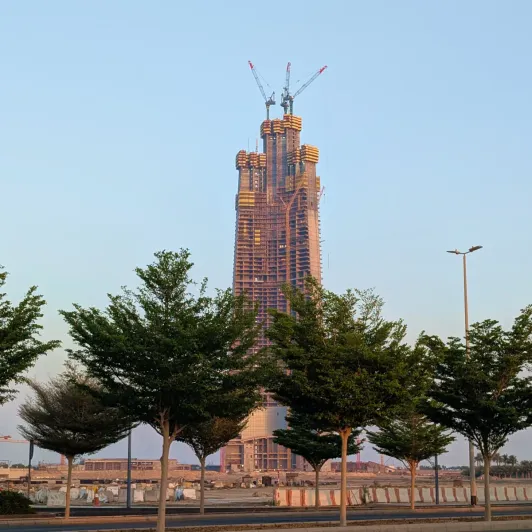
The project has passed the 100-floor mark, but unfortunately the completion of construction has been delayed for several years.
According to plans, it is set to have the world's highest observation deck (on the 157th floor) and the fastest elevators in the world. We look forward to its completion!
Saudi Arabia is a Muslim country with strict traditions, and beach holidays here look a little unusual for many tourists.
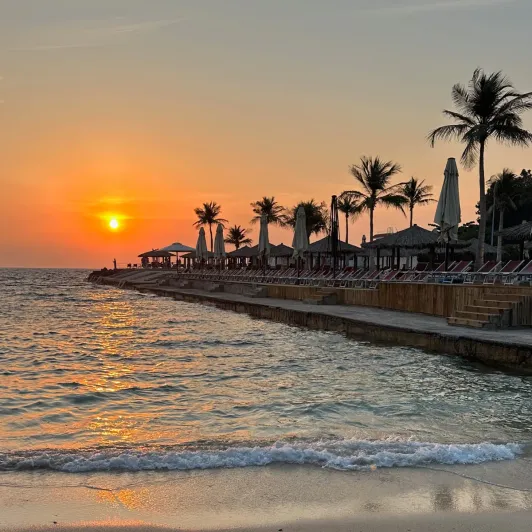
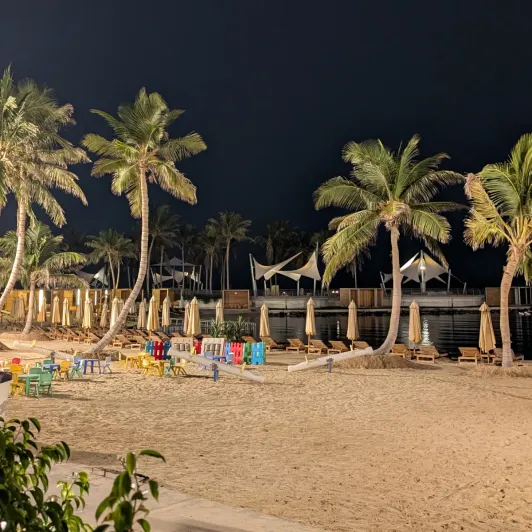
If you want an unrestricted beach experience, you need to head to private beach clubs located in northern Jeddah (30–50 minutes from the city center). They charge an entry fee, but there are no restrictions inside: you can freely wear a bikini, listen to music, and sunbathe.
On the public corniche and city beaches, strict modesty rules apply. Swimming in bikinis or regular swimwear is prohibited — covered clothing is required. Violations can result in heavy fines.
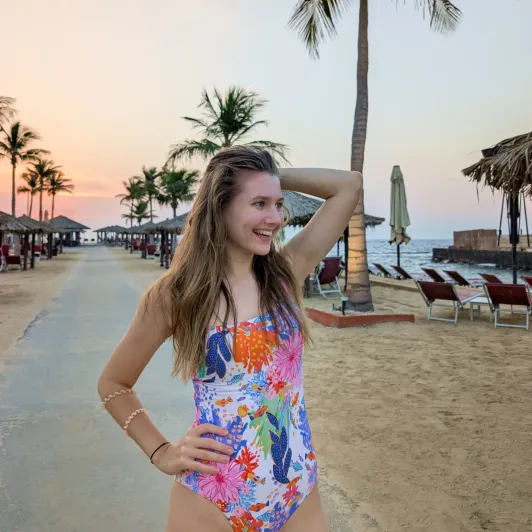
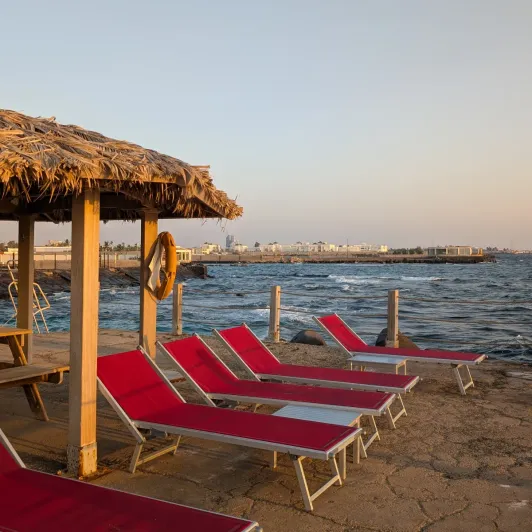
This is a secure enclosed area with sunbeds, a clean beach, and a coral reef that reaches right up to the shore — you can swim and snorkel freely.
The venue operates as a private club — entry by invitation only. It must be obtained in advance via WhatsApp at +966 50 014 2880 (as spots are strictly limited). The entry fee varies by day of the week, starting from $33.
Contact details for other beach clubs can be found on Google Maps (head north from this point along the coast). Do not arrive at a bikini beach without prior booking, as all beaches are behind high fences and you may be denied entry.
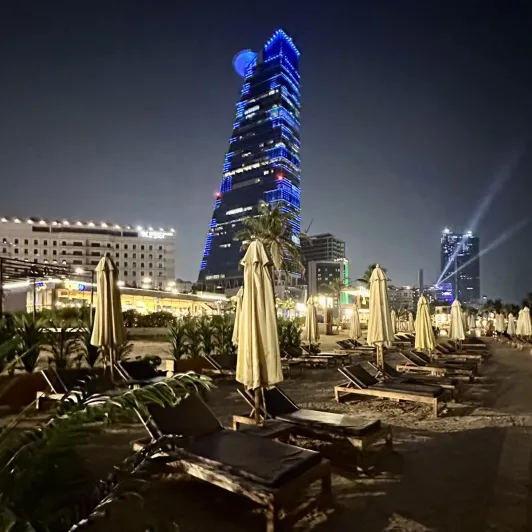
Here, in the heart of the city's main waterfront, all the conditions for comfortable family leisure have been created. Professional lifeguards are on duty at the beach, and the area is cleaned regularly.
The beach also has a strict dress code: local women swim in full-coverage burkinis, and men wear long swimming shorts. Guards monitor compliance with the rules, and violations can result in heavy fines.
There are no longer strict requirements for foreigners to wear an abaya or cover their head — tourists can dress as they normally would. The main rule is to observe decency in public places: clothing should cover the shoulders and knees.
The best choice for travel: light summer trousers, shirts, and T-shirts.
Saudis are an incredibly hospitable people who are genuinely happy about the country opening up to international tourism. Non-Muslim foreigners here do not encounter any negativity. Locals are very friendly: someone may easily approach you on the street to ask where you are from, pay you a compliment, or offer you traditional Arabic coffee.
The old strict bans for travelers are a thing of the past. Foreign unmarried couples can jointly book hotel rooms and apartments without any problems. No official documents, marriage certificates, or proof of relation are required at check-in or entry into the country.
The country has a strict prohibition on alcohol. The import, sale, and consumption of alcoholic beverages in Saudi Arabia are completely banned — violations are punishable by deportation and heavy fines. There is no alcohol in hotels or restaurants, and the rare specialized stores are available exclusively to diplomats.
It is not customary here to openly and boisterously display romantic feelings in public — couples in restaurants, parks, and on the streets should behave in a reserved manner. That said, holding hands is not prohibited in Saudi Arabia: Saudis themselves do it during their evening strolls, so no one will look at you sideways for it.
The crime rate in Saudi Arabia is one of the lowest in the world thanks to strict laws and constant street patrols. Walking around after sunset here is absolutely safe. Due to the daytime heat, cities come to life precisely at night: most shopping centers and restaurants are open until 2–3 a.m.
Modern Saudi Arabia is actively expanding women's rights: today women drive, work, travel independently, and move freely without male accompaniment. Female tourists are absolutely safe here. You can often see groups of women in cafés in cities, and it is quite easy to get a female taxi driver.
The country takes privacy and personal data protection very seriously. Photographing locals (especially women and families) without their explicit verbal consent is strictly prohibited. Also strictly banned is photographing or filming military installations, government buildings, palaces, and border checkpoints.




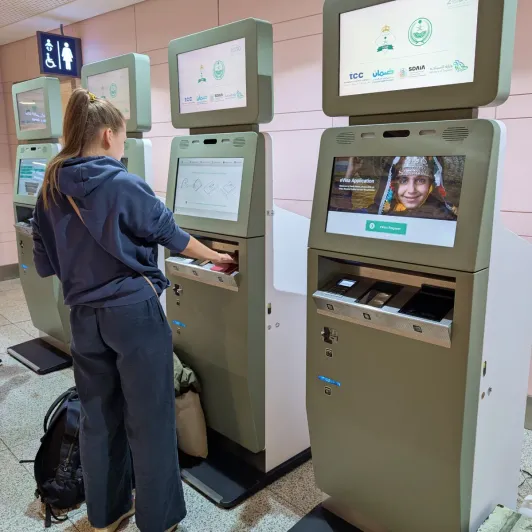
Upon arrival at Jeddah airport, you can obtain an e-Visa to enter the country. The kiosks are located just before the passport control area. We have a step-by-step guide on how to apply for an electronic visa for Saudi Arabia on our website.
To get from the airport to the city, we recommend walking past the touts and ordering a taxi through the Uber app.